The dream of a perfect backyard often begins with a deck, but the reality of scorching sun or unexpected rain can quickly drive you back indoors. A covered deck solves this dilemma, acting as a seamless extension of your home’s living space. By adding a roof, canopy, or architectural structure, you turn an exposed platform into a multi-season sanctuary. Whether you’re looking for a rustic hideaway or a sleek modern lounge, these thirteen covered deck ideas will help you reclaim your outdoor space and turn it into the ultimate cozy retreat.
1. Classic Pergola
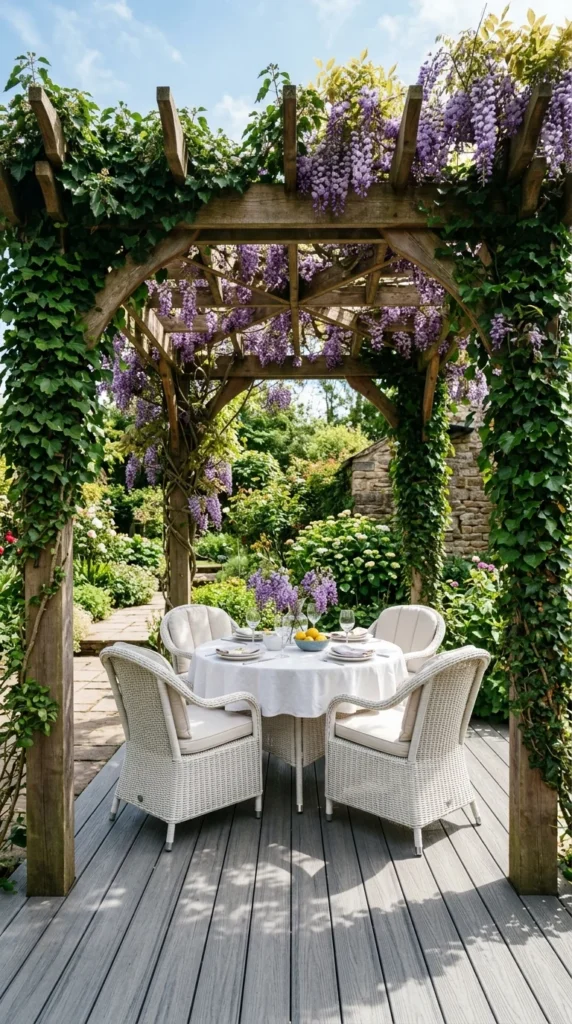
The pergola is the quintessential choice for homeowners who want a balance of shade and openness. Unlike a solid roof, the slatted top of a pergola allows air to circulate freely while breaking up the intensity of direct sunlight. To maximize the “cozy” factor, many designers recommend training climbing plants—like jasmine, grapes, or honeysuckle—to grow over the rafters. This creates a living “green roof” that smells incredible and provides natural cooling during the summer months.
2. Retractable Awnings
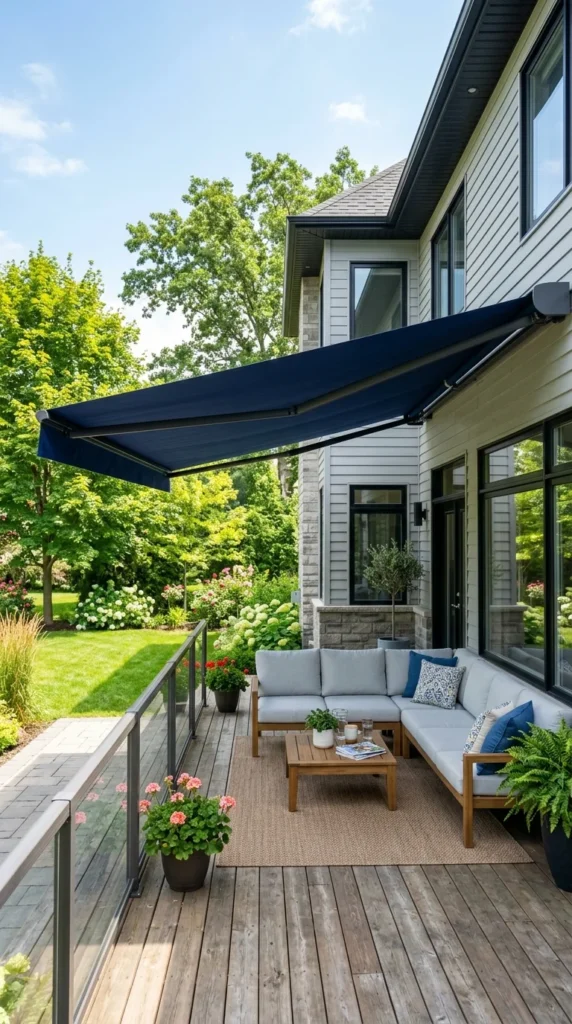
For those who want flexibility, a retractable awning is an unbeatable solution. These systems allow you to enjoy full sun when you want it and total shade at the push of a button. Modern retractable awnings come in a vast array of high-tech fabrics that are fade-resistant and waterproof. This is a particularly smart choice for decks attached to the house where a permanent roof might block natural light from entering your indoor living room windows.
3. Louvered Roof
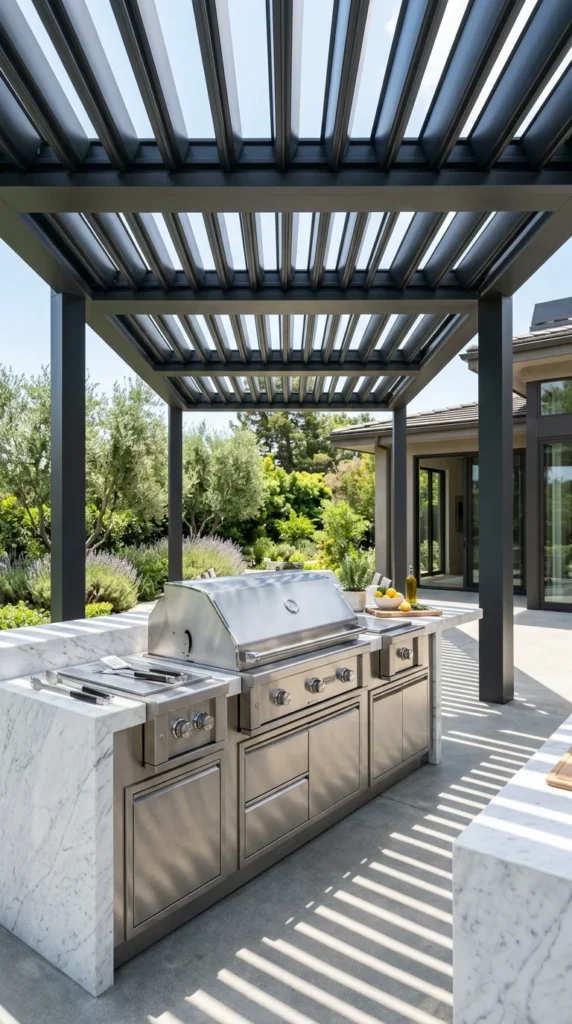
Louvered roofs, often called bioclimatic pergolas, are the pinnacle of outdoor engineering. These systems feature motorized slats that can be rotated to any angle. You can keep them open for maximum sun, angle them to block the glare while maintaining airflow, or close them completely to create a watertight seal during a rainstorm. Many systems even include integrated guttering to channel water away, keeping your furniture perfectly dry.
4. Screened-In Porch
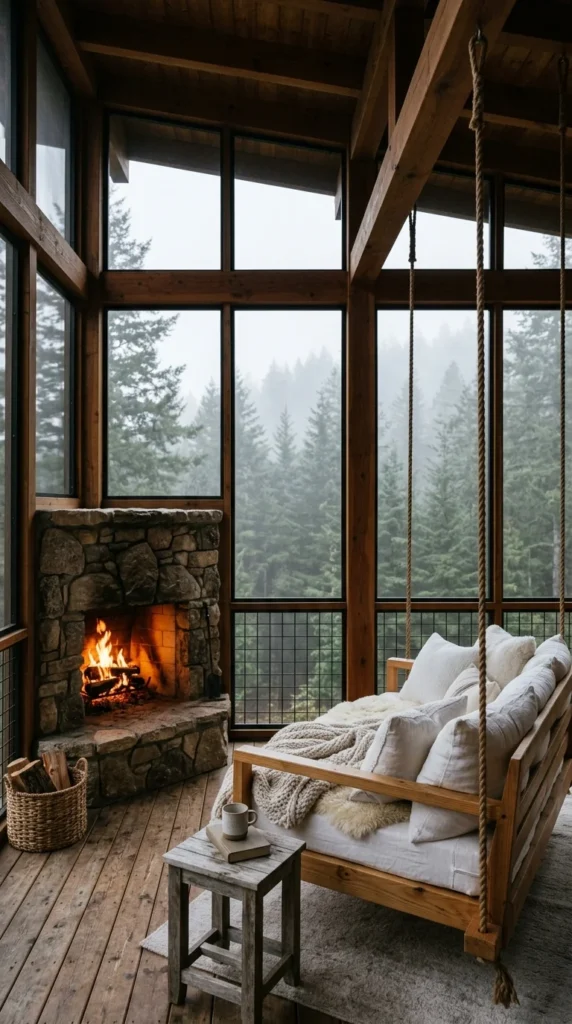
If your primary obstacle to enjoying the outdoors is mosquitoes or flies, a screened-in deck is a game-changer. By enclosing your deck with high-visibility mesh, you create a protected environment that feels like a sunroom but breathes like a porch. This setup allows you to keep the space furnished with more delicate items, like indoor-outdoor rugs and plush cushions, without worrying about wildlife or heavy debris.
5. Timber Pavilion
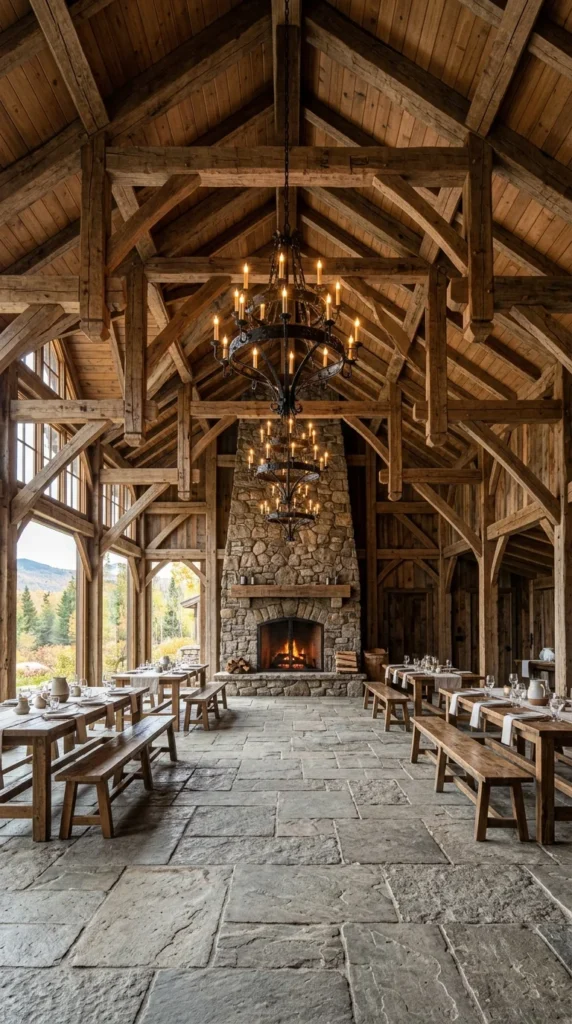
A pavilion is a permanent, freestanding structure with a solid roof, usually mirroring the architectural style of the main house. Because they are fully covered, pavilions are ideal for “outdoor living rooms” featuring electronics like flat-screen TVs and sound systems. The heavy timber construction provides a sense of permanence and grandeur, making your backyard feel like a high-end mountain resort.
6. Shade Sails
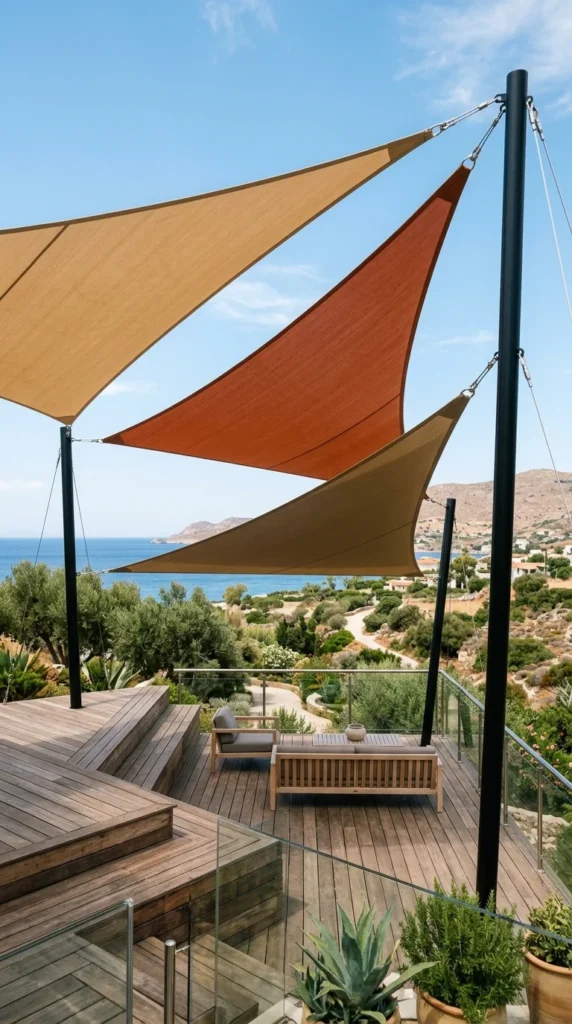
Shade sails offer a modern, architectural aesthetic that works perfectly for contemporary homes. These tensioned fabric structures come in various shapes—triangles, squares, and rectangles—and can be layered at different heights to create a visual masterpiece. They are excellent for covering large or oddly shaped decks where a traditional roof might be too expensive or structurally difficult to install.
7. Glass Roof
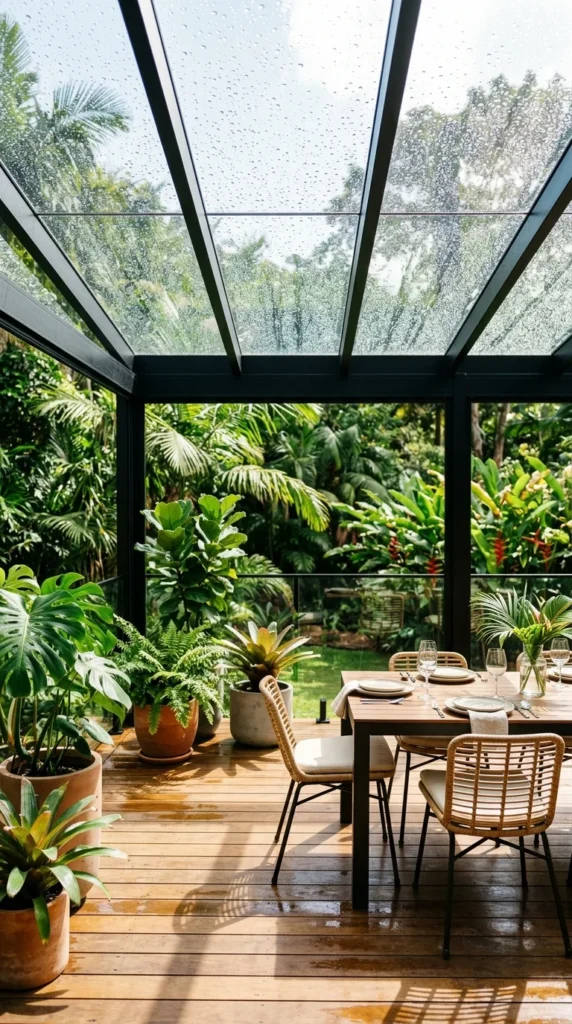
For those who live in cooler climates or areas with frequent rain but still want to see the sky, a glass-covered deck is the ultimate luxury. It provides the protection of a solid roof while maintaining 100% of the natural light. This “greenhouse” effect can help warm the deck during the shoulder seasons of spring and fall, allowing you to use your outdoor space for more months out of the year.
8. Corrugated Metal
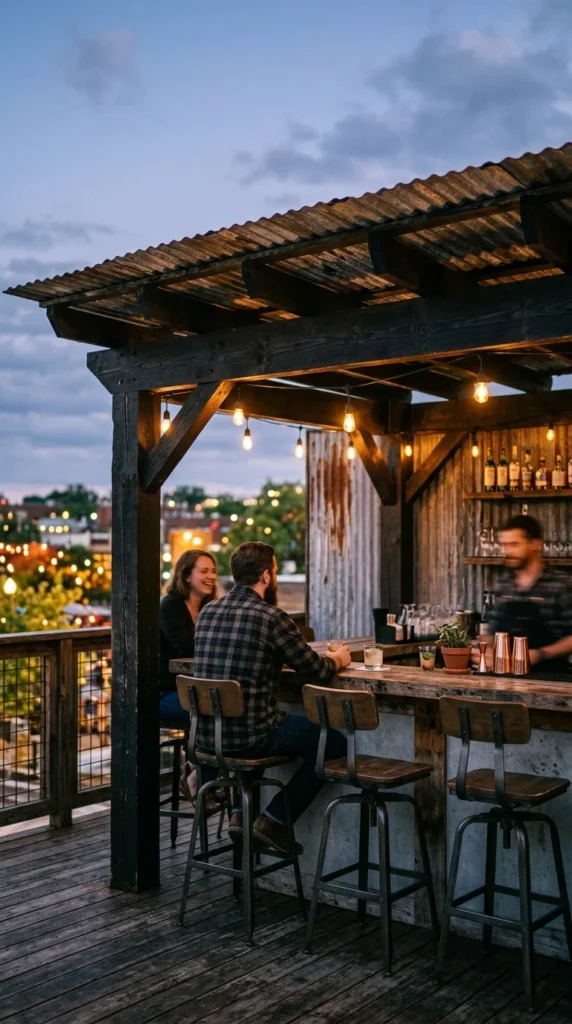
Corrugated metal roofing provides a distinct “modern farmhouse” or industrial vibe. It is incredibly durable, low-maintenance, and relatively inexpensive compared to other permanent roofing options. One of the hidden perks of a metal roof is the sound; there is nothing quite as relaxing as the rhythmic patter of rain falling on a tin roof while you sit safely underneath with a cup of coffee.
9. Under-Deck Living
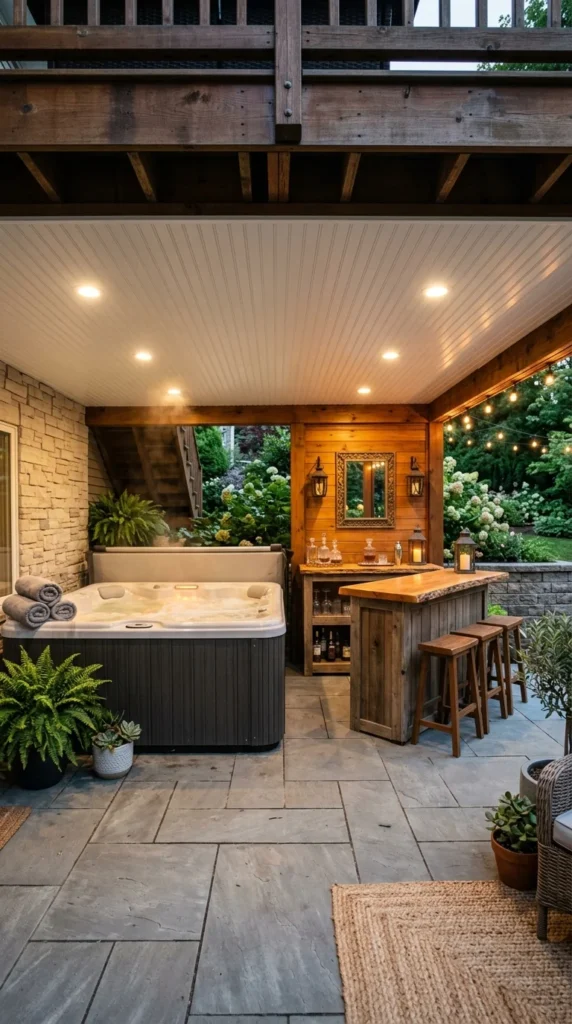
If you have a two-story home with an elevated deck, you have a hidden opportunity right beneath your feet. By installing an “under-deck” ceiling system, you can catch the water that falls through the top deck boards and divert it to a gutter. This creates a dry, shaded “bonus room” on the ground level. It’s the perfect spot for a hot tub, a secondary lounge, or a sheltered play area for children.
10. Bohemian Canopy
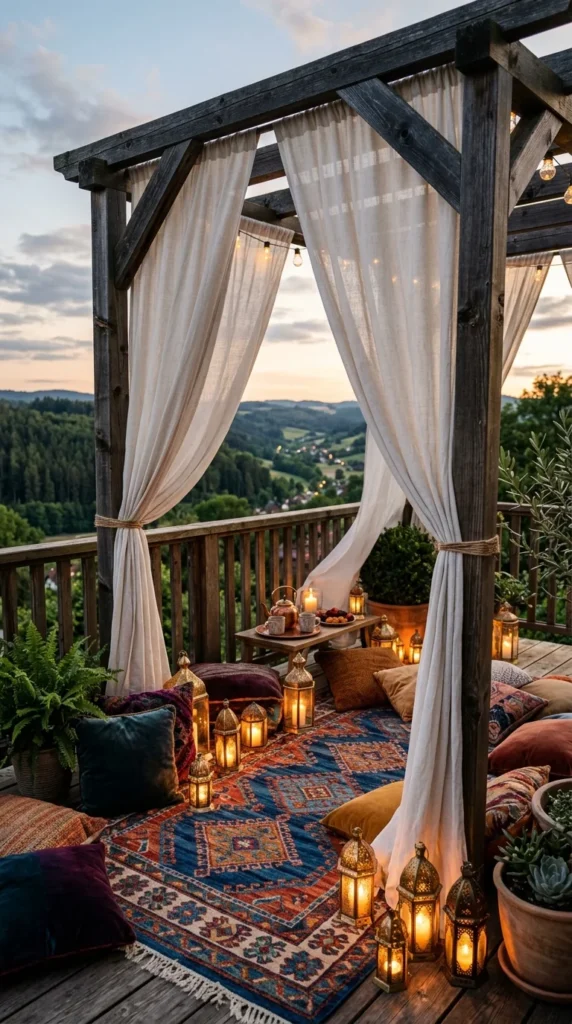
Sometimes, the best cover isn’t a solid structure but a soft, tactile one. A bohemian-style canopy uses draped fabrics like outdoor-grade linen or canvas to create a soft, ethereal atmosphere. This approach is less about blocking every drop of rain and more about creating an intimate, shaded cocoon. The movement of the fabric in the breeze adds a sensory layer of relaxation that hard structures simply can’t match.
11. Thatch Roof
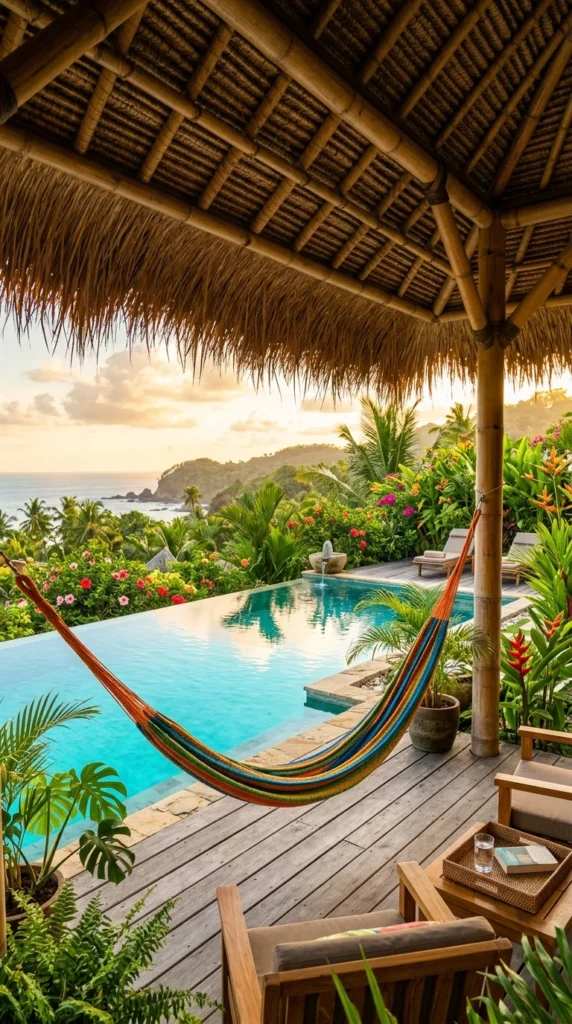
If you want your backyard to feel like a permanent vacation, a thatch roof (or “Tiki hut” style) is the way to go. Modern synthetic thatch offers the look of a tropical island resort with much better durability and fire resistance than traditional dried palm. This style is excellent for poolside decks and outdoor bars, providing deep shade and a relaxed, “barefoot luxury” aesthetic.
12. Integrated Tree Canopy
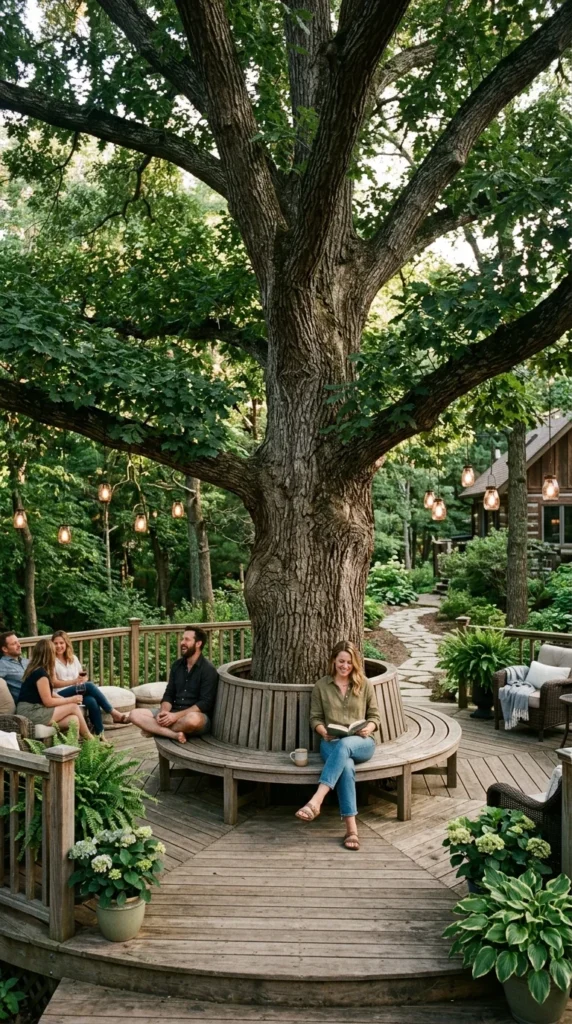
Nature often provides the best coverage of all. If you have a large, established tree in your yard, consider building your deck around it. An integrated tree canopy provides a cooling effect that no man-made material can replicate, thanks to transpiration (the process of plants releasing water vapor). It creates a “treehouse” feel for adults, blending the built environment perfectly with the natural landscape.
13. Gable Roof Extension
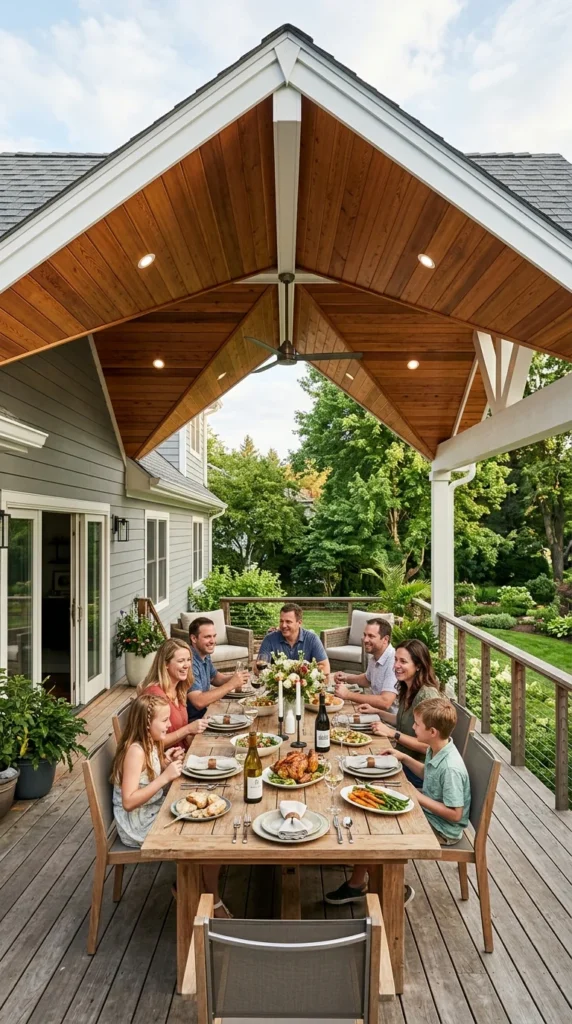
The most seamless way to cover a deck is to extend the existing roofline of your home. A gable roof (the classic upside-down “V” shape) creates high, airy ceilings that prevent the deck from feeling dark or cramped. By using the same shingles and siding as your house, the deck feels like a purposeful part of the original architecture rather than an afterthought. This is often the best choice for increasing your home’s overall property value.