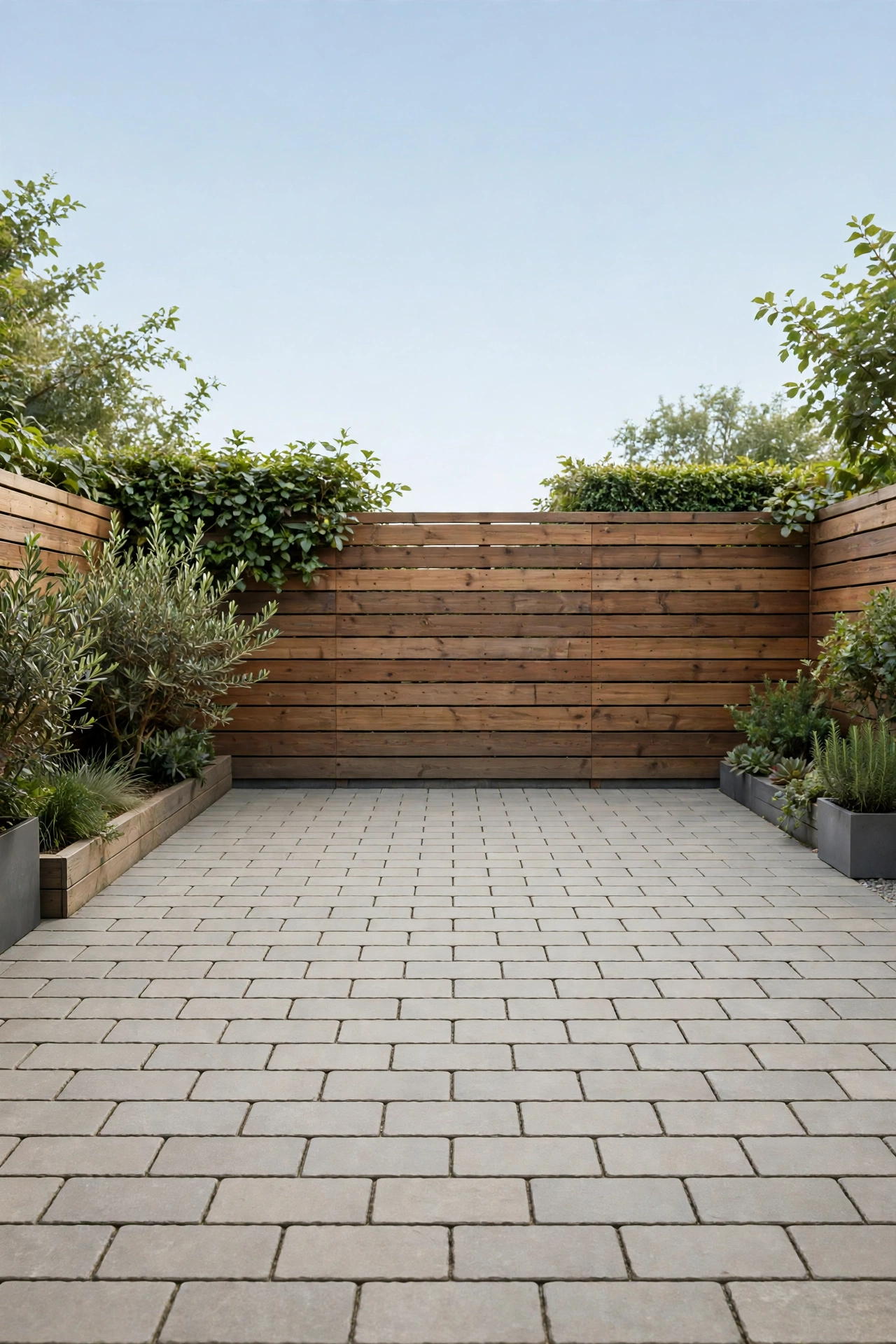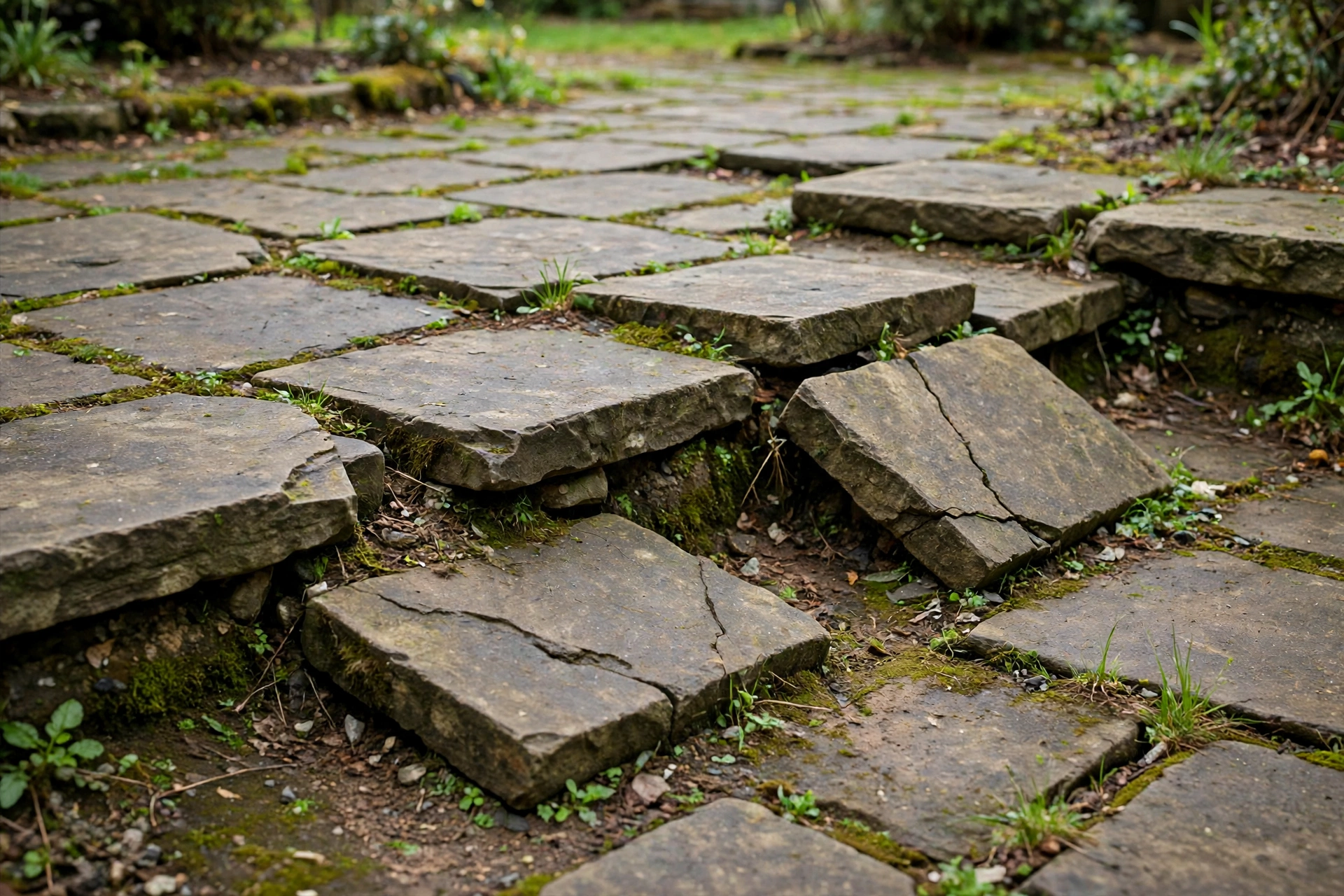
Uneven patio pavers that keep shifting are a common problem, and they can turn a neat patio into a trip hazard. One paver sinks, another tilts, and the gaps between them grow wider. The surface looks messy, feels unsafe underfoot, and can damage furniture legs and mower wheels.
The good news is that most shifting pavers can be fixed without relaying the whole patio. In many cases, only a few pavers need to be lifted and re-levelled. The key is to find out why they moved in the first place, because pavers that are reset on the same weak base will only shift again.
This guide explains why patio pavers become uneven, shows you how to lift, level, and secure them step by step, and shares the mistakes to avoid so your patio stays level.
Why Do Patio Pavers Become Uneven?
Pavers shift when the ground or the base under them moves. A patio is only as level as the base it sits on, and several things can disturb that base over time. Knowing the cause helps you fix it properly.
A Weak or Thin Base
Pavers need a firm base of compacted gravel and sand. If the base is too thin, not compacted well, or made from the wrong material, it settles under the weight of the pavers and foot traffic. The pavers above it sink and tilt. This is the most common cause of uneven patio pavers, and it is also the reason they keep shifting after a quick fix.
Water Washing Away the Base
Rain and water from gutters can wash sand and fine material out from under the pavers. This leaves hollows that the pavers sink into. Patios that slope towards the house, or that have no drainage, suffer most. If your patio often looks dirty or holds water, the guide to why a patio is always dirty can help you spot the drainage and cleaning problems that make it worse.
Tree Roots and Ground Movement
Tree roots grow under patios and push pavers up, while soil that dries out and shrinks can let them sink. Ground movement from frost, drought, or nearby digging has the same effect. If the pavers near a tree keep rising, the roots are the likely cause, and they will need to be dealt with before the pavers are reset.
Heavy Loads
Heavy pots, garden furniture, cars, or a barbecue can press pavers down, especially if the base is weak. The pavers under the load sink, and the ones next to them tilt. Moving heavy items around spreads the load, but the best fix is a stronger base in the places that carry weight.
Poor Installation
Some patios are laid without enough base material, without proper edging, or with gaps that are too wide. Without a firm edge to hold them, pavers spread outwards and shift. If your patio was uneven from the start, or the edge pavers keep moving, poor installation is a likely cause.
How to Fix Uneven Patio Pavers That Keep Shifting
Before you start, check the patio on a dry day. Walk over it and mark the pavers that rock, tilt, or sit lower than the rest. The steps below work for a few loose pavers. If the whole patio is uneven, you may need to lift and relay a larger area, or bring in help.
Step 1: Lift the Uneven Pavers
Start by lifting the uneven pavers with a flat spade or a paver lifter. Work from the edge of the loose area, and lift each paver carefully so you do not chip it. Stack the pavers nearby in order, so you can put them back in the same place. Brush away loose sand and dirt from the base.
Step 2: Check and Repair the Base
Look at the base under the lifted pavers. If it is soft, hollow, or washed away, add fresh gravel and coarse sand, and compact it firmly with a tamper or a heavy block. The base should be level and solid. A weak base is the main reason uneven patio pavers keep shifting, so take time to get this step right.

Step 3: Add and Level the Sand Bed
Spread a layer of sharp sand over the base, about 25 to 30 millimetres thick. Level it with a straight board, using the surrounding pavers as a guide. The sand bed should be even and slightly higher than the finished level, because it will compact down when you tap the paver in. Do not use soft building sand, because it holds water and washes away.
Step 4: Reset the Pavers
Place each paver back on the sand bed, in its original position. Press it down gently and check it against the pavers next to it with a straight board or a level. The surface should be flat, with no paver sticking up or sitting low. Leave a small, even gap between pavers for the joint sand.
Step 5: Tap the Pavers Level
Tap each paver with a rubber mallet until it sits level with its neighbours. Work from the centre outwards, and check the level often. A rubber mallet will not chip the pavers, while a metal hammer can crack them. If a paver sits too high, lift it and remove a little sand. If it sits too low, add a little more.

Step 6: Fill the Joints With Sand
Sweep dry joint sand or kiln-dried sand into the gaps between the pavers. Brush it in from several directions so the joints fill fully, then tap the pavers again to settle the sand. The joint sand locks the pavers together and stops them from shifting. Sweep away the extra sand when you finish.
Step 7: Compact and Water the Patio
Compact the repaired area by walking over it or using a plate compactor with a rubber mat. Then water the patio lightly to settle the joint sand, and sweep in more sand if the joints look low. If you also have a wooden deck, the guide to why deck boards crack and splinter explains how water and sun damage timber. Check the patio after the next rain, and top up the joints if needed. A firm, well-filled patio stays level much longer.
Common Mistakes to Avoid
A few common mistakes can undo good repair work or make the pavers shift again. Avoid these when you fix your patio:
- Resetting pavers on a weak base without fixing it first, so they shift again within weeks.
- Using soft building sand for the bed, which holds water and washes away.
- Tapping pavers with a metal hammer, which can crack or chip them.
- Leaving wide gaps with no joint sand, so the pavers spread and move.
- Skipping the edge restraint, which lets the outer pavers slide outwards.
Frequently Asked Questions
Can I fix uneven patio pavers without lifting them?
Small dips can sometimes be fixed by sweeping joint sand into the gaps, but pavers that rock or sit low need to be lifted and re-levelled. A quick top-up of sand will not fix a weak base, and the pavers will soon shift again.
Why do my patio pavers keep sinking?
Pavers sink when the base under them settles or washes away. Water, heavy loads, and a thin or poorly compacted base are the usual causes. Fix the base, not just the pavers, or the sinking will come back.
How much does it cost to fix uneven pavers?
Fixing a few pavers yourself costs very little, usually just sand and a few hours of work. Relaying a large area costs more in time and materials. Getting the base right the first time is cheaper than fixing the same pavers again and again.
Should I use sand or cement between pavers?
Dry joint sand is the best choice for most patios, because it lets water drain and allows small movement without cracking. Cement joints are rigid and can crack, and they make future repairs harder. Use sand, and top it up when it settles.
How do I stop tree roots from lifting my pavers?
Cut back small roots and put a root barrier between the tree and the patio, or move the affected pavers further from the tree. Do not cut large roots, because that can harm the tree. If the tree is too close, a different patio layout may be needed.
Save This Guide for Later
Pin this guide so you can find it again the next time your patio pavers start shifting.