
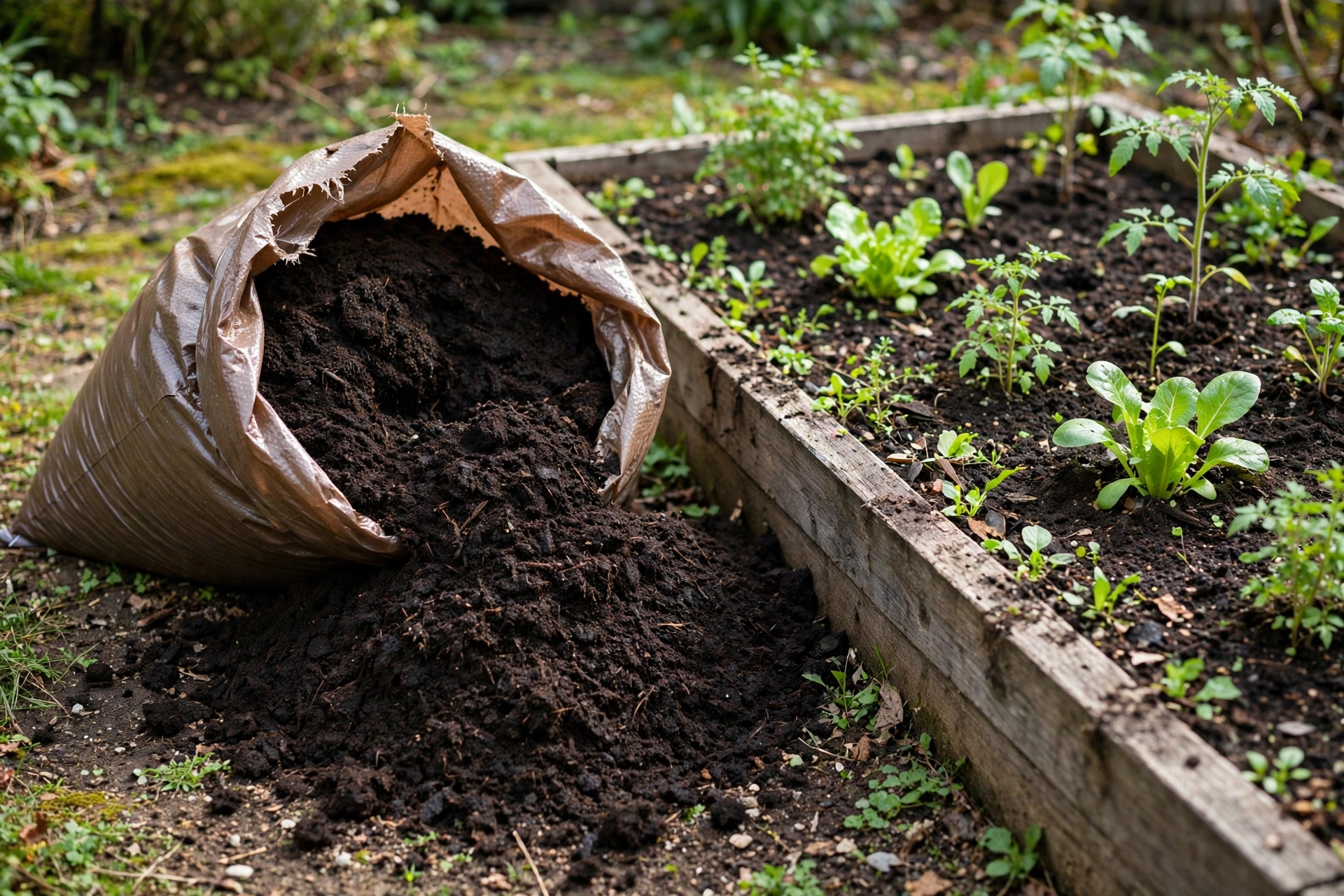
Peat compost has been a garden favourite for a long time. It is light, holds water well, and gives seedlings a soft start. Many gardeners have used it for years without thinking much about where it comes from. Then they hear that peat compost is bad, and they wonder what to use instead, and whether the change really matters. If you are asking that question, you are not alone.
Peat comes from peatlands, which are wet, natural areas where plants have built up over thousands of years. When people dig up peat for compost, they damage those areas, and the damage takes a very long time to heal. Peatlands also store a large amount of carbon, and digging them up releases that carbon. That is why many gardeners now look for peat-free compost instead. The good news is that peat-free compost works well, once you learn how to use it, and you can also make your own alternatives at home.
What Is Peat, and Why Does It Matter?
Peat forms slowly, from dead plants that build up in wet, low-oxygen conditions. A peatland can take thousands of years to form, and only a few millimetres of peat grow each year. Peatlands hold water, support rare plants and animals, and store carbon that would otherwise warm the climate. When people drain a peatland and dig out the peat, they remove that storage, dry out the land, and release carbon into the air. A garden bag of peat may look small, but the damage behind it is large and slow to repair.
Is Peat Compost Bad?
Peat compost is not bad for your plants. In fact, plants often grow well in it. The problem is not what peat does in a pot. The problem is what taking peat does to peatlands. That is an important difference, because it means the fix is not to stop growing plants. The fix is to grow them in something else that works just as well.
Why Peat Compost Is a Problem
Work through these points. Together, they explain why gardeners, growers, and many shops now move away from peat.
1. Peatlands take thousands of years to form
People dig peat out much faster than nature can replace it. A peatland that took thousands of years to form can be damaged in a few years of digging. Once you drain and dig a peatland, it does not grow back in a human lifetime. That makes peat a resource that you cannot renew in any useful time.
2. Digging peat releases stored carbon
Peatlands store a large amount of carbon in wet, dead plant material. While the peat stays wet and undisturbed, that carbon stays locked away. When people drain the land and dig out the peat, air gets in, the peat breaks down, and carbon escapes into the air. That adds to climate change, and it is hard to undo.
3. Peatlands support rare plants and animals
Peatlands are home to plants and animals that need wet, acidic conditions. Many of them cannot live anywhere else. When you drain a peatland, you lose that habitat, and the plants and animals that depend on it have nowhere to go. Protecting peatlands helps protect those species.
4. Peat compost can hide problems in the garden
Peat holds water well, but it can also dry out and become hard to wet again. Once peat dries out, water can run off the surface instead of soaking in, and plants can suffer even when you water them. Peat also has very few nutrients, so plants in peat compost need feeding. Peat-free mixes can hold water and nutrients better, once you learn their needs.
5. Peat is no longer the only good choice
Peat-free compost has improved a lot in recent years. Coir, bark, wood fibre, and green compost now make good mixes that work for most plants. You can also make leaf mould and compost at home, which costs little and works well. With good peat-free choices available, there is less reason to keep using peat.

What to Use Instead of Peat Compost
You do not need to find one perfect replacement. A mix of alternatives works best, and you can choose the mix that fits your plants and your budget.
Step 1: Try a good peat-free compost first
Start with a peat-free compost from a shop, and use it for pots, containers, and seedlings. Look for a mix that lists coir, bark, wood fibre, or green compost as the main ingredients. Water it a little differently from peat: check the moisture with your finger, water from the bottom if the surface is dry, and do not let it dry out completely. Give it a few weeks, and see how your plants respond.
Step 2: Use coir for seedlings and pots
Coir comes from coconut husks, and it holds water well without becoming heavy. It is light, clean, and good for seedlings and pots. Mix coir with a little compost to add nutrients, because coir on its own has very few nutrients. Coir can dry out on the surface, so check it often and water it gently.
Step 3: Use bark and wood fibre for structure
Bark and wood fibre give a compost mix structure and air, which helps roots grow. They break down slowly, so they last longer in a pot. Mix them with coir or green compost to make a balanced mix. Bark on its own can take nitrogen from the soil as it breaks down, so do not use it alone for hungry plants.
Step 4: Make leaf mould and home compost
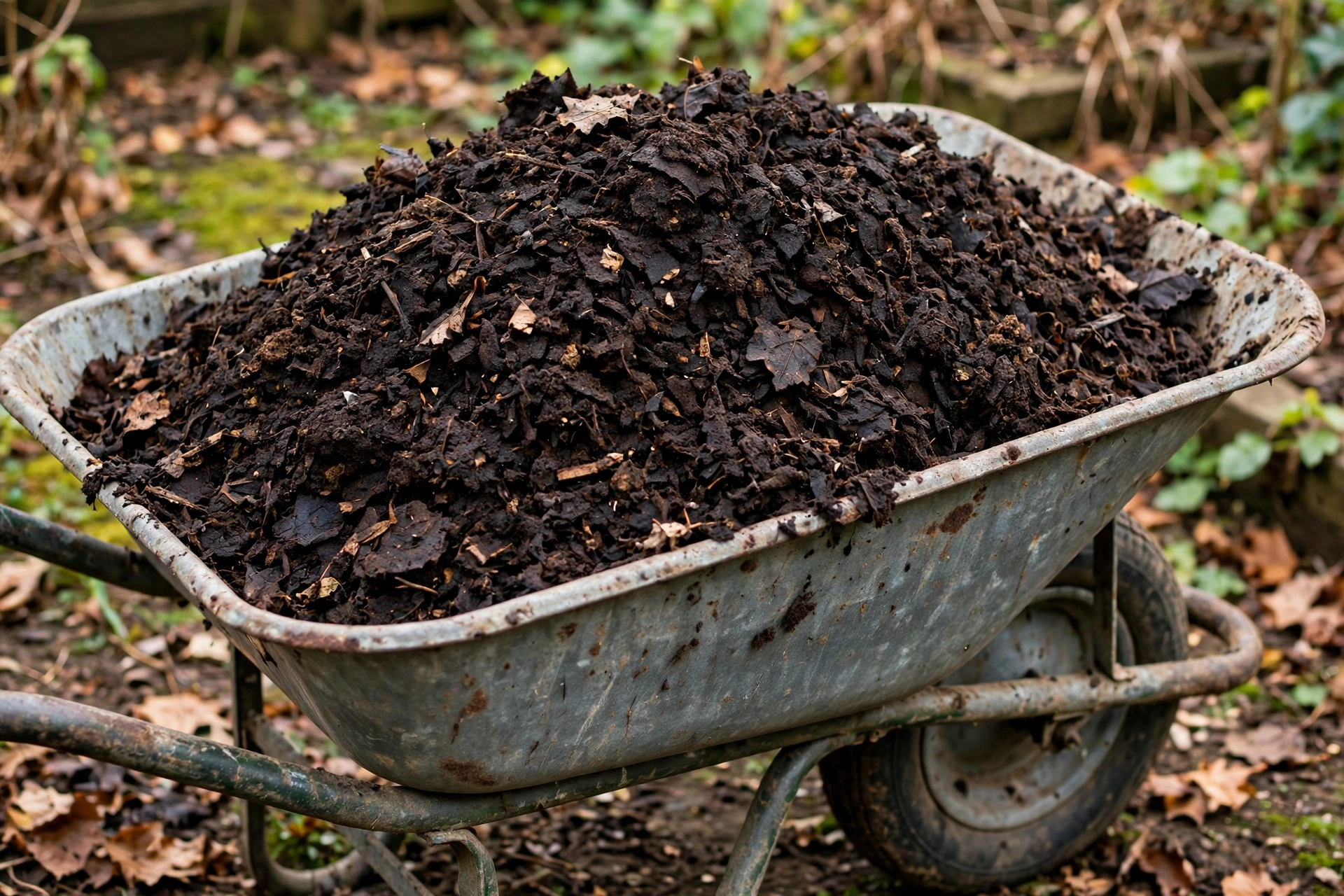
Leaf mould is one of the best peat-free materials you can make at home. Collect fallen leaves, put them in a bag or a simple wire bin, and leave them for a year or two. The result is dark, crumbly leaf mould that holds water and improves soil. Home compost also works well, and it adds nutrients. If you want to start composting in a small space, the guide on how to make compost in a small space without smell or mess explains a clean, simple way to do it.
Step 5: Mix, test, and adjust for your plants
Mix peat-free materials to fit the plant. For seedlings, use a fine, light mix with coir and a little compost. For pots, use a mix with bark and compost for structure and nutrients. For beds, mix in home compost and leaf mould to improve the soil. Test a small batch first, watch how the plants grow, and adjust the mix next time. Keep notes on what works, so you can repeat it.
Common Mistakes When Switching to Peat-Free
Treating peat-free like peat. Peat-free mixes dry out and wet up differently. Check moisture with your finger, not by the calendar.
Using one material alone. Coir alone has few nutrients, bark alone can take nitrogen, and green compost alone can be too rich. Mix materials together.
Letting the mix dry out completely. Once a peat-free mix dries out, it can be hard to wet again. Water little and often, and water from the bottom if the surface is dry.
Forgetting to feed plants. Peat-free mixes often need feeding, just like peat. Feed plants regularly, and mix in home compost for nutrients.
Giving up after one bad bag. Peat-free compost varies by brand and by batch. If one bag is poor, try a different brand or mix it with home compost. If your compost smells or heats slowly, the guides on how to stop compost from smelling bad and why compost is not heating up explain the fixes.
Frequently Asked Questions
Is peat-free compost as good as peat compost?
Yes, for most plants, once you learn how to use it. Peat-free compost can hold water, give roots air, and support strong growth. It may need more frequent watering and feeding at first, but many gardeners find their plants grow just as well, and often better, in a good peat-free mix.
Can I make my own peat-free compost?
Yes. Leaf mould, home compost, and garden compost are all good peat-free materials. Mix them with coir or bark for structure, and add a little extra compost for nutrients. Making your own takes time, but it costs little and works well. The guide on how to use mulch correctly also shows how to use home-made materials to keep soil moist and healthy.
What is coir, and is it sustainable?
Coir comes from the husks of coconuts, which are a by-product of coconut farming. It is a renewable material, and it works well in pots and seed trays. Coir can travel a long way to reach shops, so it is not perfect, but it is a much better choice than peat, and mixing it with home-made compost reduces the amount you need.
Do peat-free mixes work for seedlings?
Yes, if you choose a fine mix. Use a fine coir and compost mix, keep it damp but not wet, and feed seedlings lightly when they have their first true leaves. Seedlings in peat-free mix may need a little more attention to water, but they grow well.
Should I throw away peat compost I already have?
No. Use up peat compost you already have, and do not buy more. Mix it with peat-free materials to make it last longer, and use it for plants that need it most. The change matters most when you buy compost next time, not when you use up what you already own.
Save This Guide for Later

Peat compost is not bad for your plants, but taking peat is bad for peatlands. Peat-free compost, coir, bark, leaf mould, and home compost give you good choices that work well, once you learn their needs. Start with one bag of peat-free compost, try a mix, and see how your plants respond. That one change protects peatlands, and it does not mean giving up a good garden.