
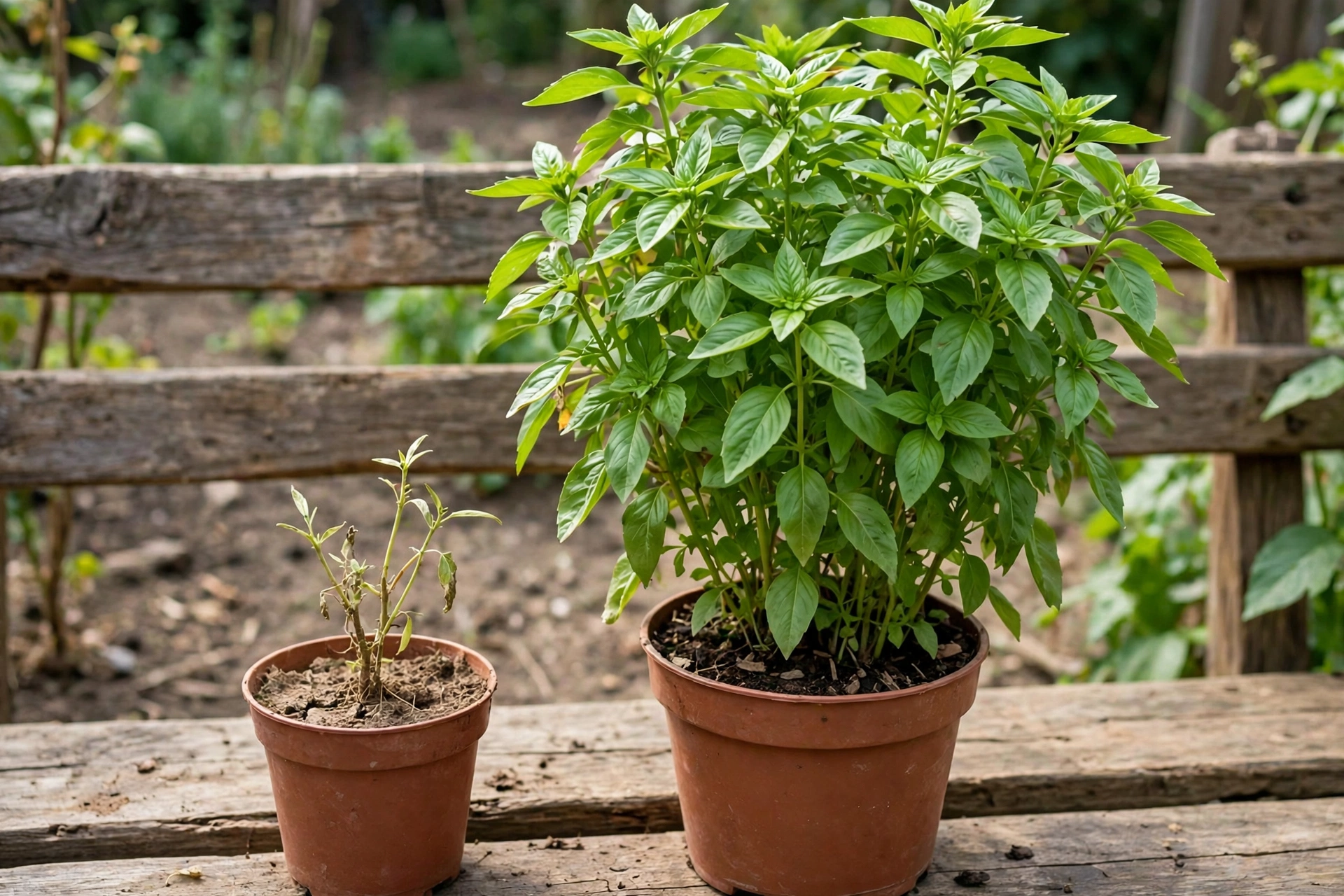
A plant that stays the same size month after month can be worrying. You water it, you keep it by the window, and still no new leaves appear. Slow growth is one of the most common problems for beginners, and it rarely has a single cause. A plant grows slowly when something in its basic care is slightly wrong: too little light, the wrong amount of water, a pot that is too small, or soil that has run out of nutrients. This guide explains eight common reasons why a plant is not growing, how to check each one, and the simple steps that help a plant start growing again.
8 Slow-Growth Causes Explained
Work through these causes one by one. Start with the easiest checks, light and water, before you move on to roots and feeding. Change one thing at a time, then wait two to three weeks to see how the plant responds.
1. Not enough light
Light is the main source of energy for a plant. Without enough light, a plant cannot make the food it needs, so it grows slowly or stops growing altogether. New leaves will be small, pale, or widely spaced, and stems may lean strongly toward the nearest window. If your plant is reaching for light, its spot is too dark. Choosing the right spot for a new plant makes a big difference, because light needs vary from plant to plant. Plants that stretch and become tall and weak are often short of light, as the guide to fixing leggy seedlings explains.
Fix: Move the plant to a brighter spot, close to a window that gets bright, indirect light for most of the day. Do not move a shade-loving plant straight into strong direct sun, because the leaves can burn. Move it in stages over a week, and watch the new leaves.

2. Too much or too little water
Water problems are a very common cause of slow growth. When soil stays wet for too long, air cannot reach the roots, and the roots slowly rot. A plant with rotting roots cannot take up water or nutrients, so growth stops even though the soil is wet. When soil stays dry for too long, the plant cannot move nutrients to its leaves, and new growth dries up before it opens. To tell the two problems apart, check the soil. How often beginners should water new plants explains the simple finger test that helps you get watering right.
Fix: Push your finger about five centimetres into the soil. If it feels wet, wait and check again in a few days. If it feels dry at that depth, water slowly until water runs out of the drainage holes, then let the extra water drain away.
3. The plant is root-bound
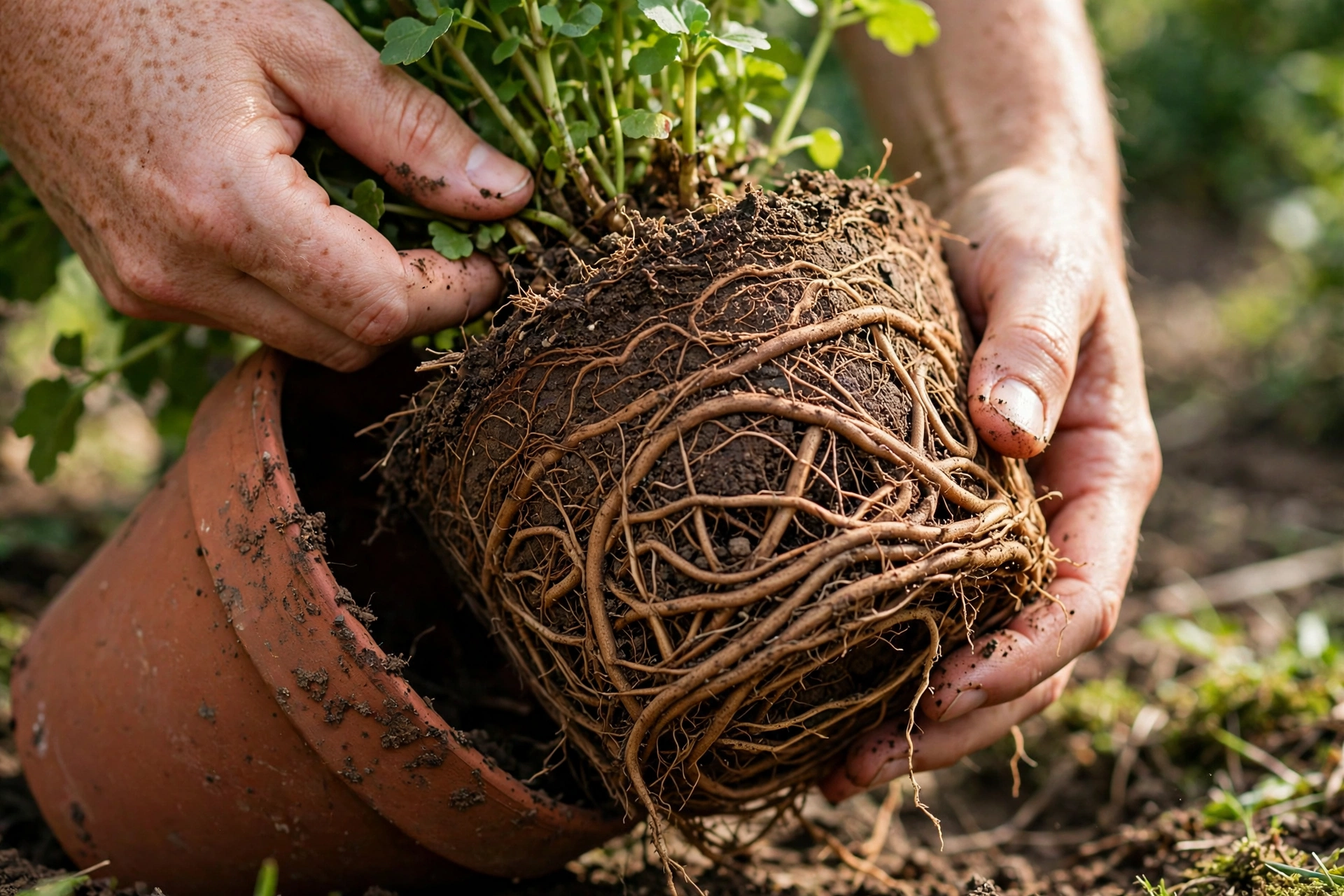
A plant becomes root-bound when its roots fill the whole pot and start circling around the inside. There is then very little soil left to hold water and nutrients, so the plant dries out quickly and stops growing. You may see roots coming out of the drainage holes, or the plant may need water every day even though it used to need water once a week.
Fix: Slide the plant gently out of its pot and look at the roots. If they are circling tightly, move the plant to a pot that is only five to eight centimetres wider. A pot that is much too large holds too much wet soil and can cause root rot. Loosen the outer roots gently and add fresh potting mix.
4. The soil has run out of nutrients
Plants use the nutrients in their potting mix as they grow, and after a year or two the mix is often empty. A plant in old, tired soil may have pale leaves, thin stems, and very slow growth, even when light and water are right. Hard, compacted soil makes the problem worse, because roots cannot spread and water runs off the surface instead of soaking in. If your soil has become hard and dry, the guide to fixing soil that is too hard for planting shows how to loosen it and add compost.
Fix: Feed lightly during the growing season with a balanced liquid fertiliser, mixed at half the strength shown on the label, once a month. Do not feed a plant that is dry, sick, or newly repotted.
5. The pot has no drainage, or it is the wrong size
A pot without drainage holes is a common reason for slow growth. Water collects at the bottom, the lower roots sit in water, and they rot. The plant then cannot feed itself, so it stops growing. A pot that is far too large has the same effect, because a small plant cannot use all the water in a large pot, and the soil stays wet for too long.
Fix: Always use a pot with drainage holes and a saucer underneath to catch extra water. Empty the saucer after watering so the roots do not sit in water.
6. The temperature is too cold or too hot
Most plants grow best in mild, steady temperatures. Cold air from an open window, a draughty door, or an air conditioner can slow growth and damage leaves. Heat from a radiator or a very hot, sunny windowsill can dry the plant out and stop growth as well.
Fix: Keep the plant away from heaters, radiators, air conditioners, and cold draughts. Most plants are happy in the same temperature range that feels comfortable indoors.
7. The plant is resting, not failing
Not every pause in growth is a problem. Many plants rest during the cooler, darker part of the year and grow again when days get longer and warmer. During a rest, the plant may grow very little or not at all, but the leaves stay green and firm. This is normal, and forcing growth with extra fertiliser during a rest can harm the plant.
Fix: If the plant looks healthy and the season is cool or dark, give it less water, stop feeding, and wait for the growing season.
8. Pests or root damage are weakening the plant
Small insects, such as aphids or spider mites, feed on leaves and stems and drain the plant’s energy. A plant under attack puts its energy into survival, not growth. Damage to the roots has the same effect: a plant that was repotted roughly, knocked over, or kept in waterlogged soil may have damaged roots that cannot support new growth.
Fix: Remove any insects you can see with a damp cloth, and wash the leaves gently with plain water. For a small attack, repeat the wash every few days. Trim away only soft, dark roots and repot in fresh mix.
A Step-by-Step Fix for a Plant That Is Not Growing
Use this short routine when a plant has stopped growing and you do not know why. Work through the steps in order, and change only one thing at a time so you can tell what helped.
- Look at the plant closely. Note the colour of the leaves, the size of new leaves, and whether leaves are falling.
- Check the light. Is the plant close to a window with bright, indirect light? If not, move it to a brighter spot in stages over a week.
- Check the soil with your finger. Push your finger five centimetres into the soil. Water only if it feels dry at that depth.
- Check the roots. Slide the plant out of its pot. If the roots are circling tightly, repot into a pot one size larger with fresh potting mix.
- Check the pot and the temperature. Make sure the pot has drainage holes and the plant is away from heaters and cold draughts.
- Feed lightly, only if the plant is healthy. Use a balanced liquid fertiliser at half strength once a month during the growing season.
- Wait and watch. Give the plant two to three weeks, then compare it with your notes. New leaves, even small ones, mean the fix is working.
Common Mistakes That Keep Plants From Growing
- Changing everything at once. If you move the plant, repot it, and feed it on the same day, you will not know which change helped.
- Feeding a struggling plant to force growth. Fertiliser is not medicine. A weak or dry plant can be burned by fertiliser, which makes the problem worse. Fix light, water, and roots first.
- Repotting into a pot that is much too large. A very large pot holds too much wet soil. Move up only one pot size at a time.
- Watering on a fixed schedule. Plants use water at different speeds as light and temperature change. Always check the soil before you water.
- Giving up too soon. Plants recover slowly. A plant that has been struggling for months may need several weeks before it shows new growth. The guide to how to stop killing plants covers several of these mistakes in more detail.
Frequently Asked Questions
How long should I wait before I worry about slow growth?
Wait at least a few weeks during the growing season. If a plant shows no new growth at all for two to three months while it has good light and water, work through the causes in this guide.
Will moving my plant to more light help it grow?
Yes, if lack of light is the cause. Move the plant to a brighter spot in stages over a week so the leaves do not burn.
Should I feed a plant that is not growing?
Only if the plant looks healthy and it is the growing season. Feed lightly, at half strength, once a month. Do not feed a dry, sick, or newly repotted plant.
Can a root-bound plant start growing again?
Yes. Move it to a pot one size larger, loosen the outer roots gently, and add fresh potting mix. Water well after repotting and keep the plant in steady light.
Why is my plant not growing even though I water it every day?
Watering every day is often the problem, not the answer. Soil that stays wet rots the roots, so the plant cannot take up water or nutrients. Water only when the top few centimetres feel dry.
Save This Guide for Later
If this guide helped you work out why your plant is not growing, save the image below so you can check the steps again when you need them.
