
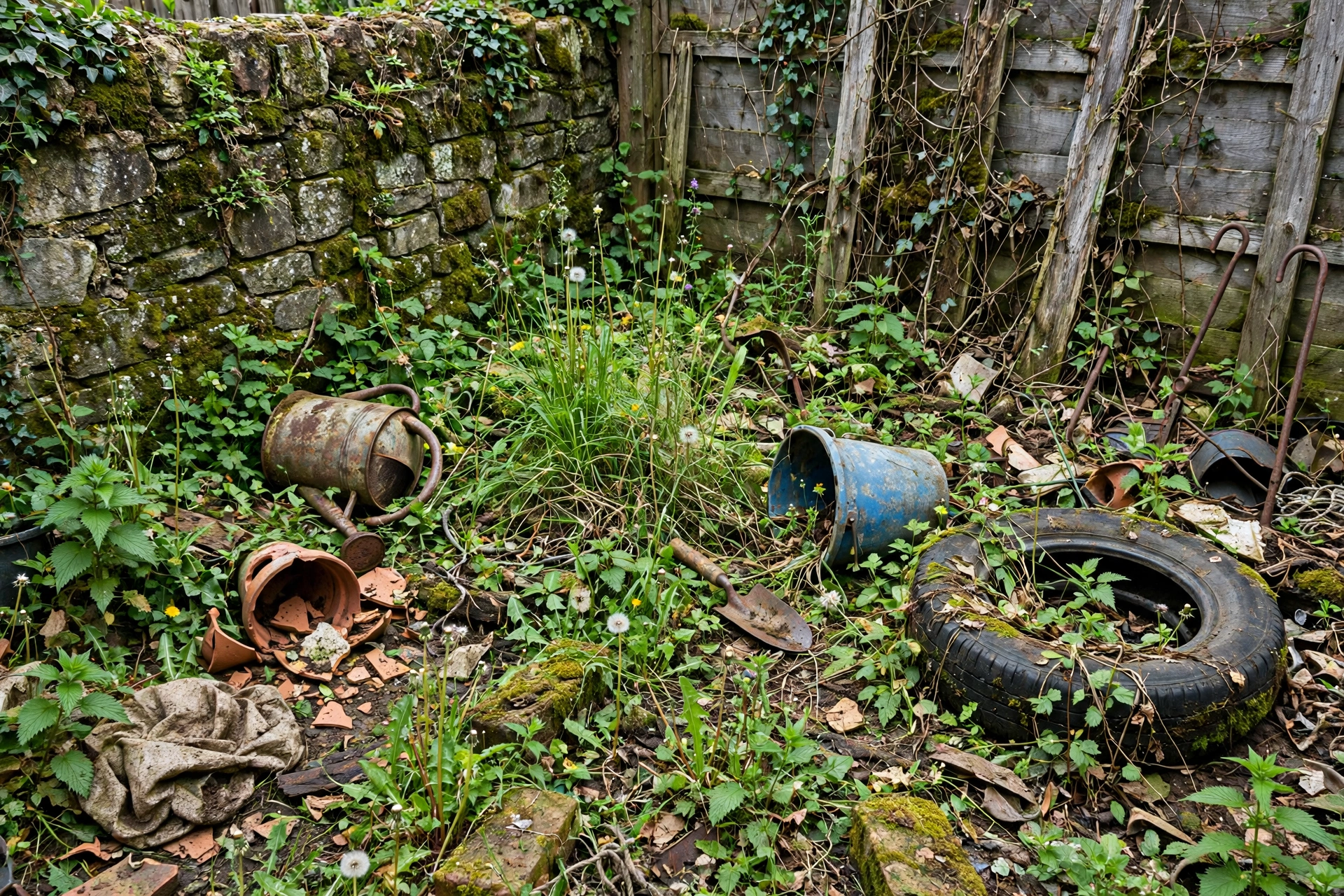
Many gardeners would love to help wildlife, but they worry about one thing: mess. A corner left to grow wild can soon look neglected, with tall weeds, rotting piles and standing water. Neighbours notice, paths get blocked, and the garden feels untidy instead of welcoming. That worry stops many people from trying at all.
The good news is that a wildlife corner does not have to be messy. With a clear edge, a few simple features and a little regular care, one small corner can give shelter and food to birds, bees, frogs and helpful insects, and still look tidy. The key is to plan the corner, keep it small, and choose features that are easy to look after.
This guide explains why wildlife corners often go wrong, and how to build a simple wildlife corner that stays neat. It gives a step-by-step plan, a list of mistakes to avoid, and answers to the questions most gardeners ask first. You do not need a large garden, a pond digger or a big budget. A quiet corner, a log pile and a few plants are enough to start.
Why Wildlife Corners Often Turn Into a Mess
The first cause is size. When the wildlife area is too large, it is hard to care for, and weeds take over faster than wildlife can use them. A corner that is meant to be wild soon becomes a tangle of tall plants, fallen branches and rubbish. A small, clear area is much easier to keep tidy, and it is still large enough to help wildlife.
The second cause is no edge and no plan. If there is no border between the wildlife corner and the rest of the garden, plants spread where they are not wanted, and the corner slowly grows into the lawn or the path. A simple edge, such as a line of stones, a low log border or a mown path, makes the corner look planned, even when the plants inside it are loose and natural.
The third cause is the wrong materials. A pile of fresh grass cuttings, kitchen waste or loose branches rots fast, smells bad and attracts flies. A pond that is too deep, or left with no plants and no way out for small animals, can become stagnant and unsafe. Wildlife needs shelter and water, but it needs them in a clean, stable form.
The fourth cause is no care at all. A wildlife corner is not a place to forget. It needs a short check each month: remove rubbish, cut back plants that are taking over, top up water, and check that logs and stones are safe. Without that small amount of care, even a good corner will look neglected within a season.

How to Build a Simple Wildlife Corner: Step by Step
- Step 1: Choose a quiet corner. Pick a corner that is out of the main path, with some sun and some shade. A corner near a fence or hedge is ideal, because wildlife can arrive and leave safely. Keep it away from play areas and washing lines.
- Step 2: Mark a clear edge. Use stones, a low log border or a short mown strip to show where the wildlife corner starts and ends. Keep the area small at first, about the size of a door, so you can care for it easily.
- Step 3: Build a tidy log pile. Stack a few logs in a neat pile, with small gaps between them for insects and beetles. Add a small wooden bug hotel on top if you have one. Keep the pile stable, so it does not fall over, and do not add fresh grass or food waste to it.
- Step 4: Add a small, safe pond. A shallow dish or a small container sunk into the ground can be a pond. Make one side gently sloping, with stones as steps, so frogs and insects can climb out. Fill it with rainwater if you can, and learn how to save water in the garden so you can top it up without waste. Keep the water clean and never add chemicals.
- Step 5: Plant a few wildlife-friendly plants. Choose a small number of plants that flower at different times, so bees and other insects have food through the season. Leave some bare soil and a few stones for basking insects. Do not plant fast-spreading plants that will take over the corner.
- Step 6: Add shelter, not clutter. A small pile of stones, a few hollow stems tied together, and a patch of leaves under a shrub give shelter without looking messy. Keep each feature in its own place, with a little space around it, so the corner looks planned.
- Step 7: Care for it once a month. Walk around the corner, remove rubbish, cut back any plant that is spreading too far, and check the pond water. A ten-minute check each month is enough to keep a small corner tidy all year.

What to Avoid in a Wildlife Corner
- Do not use chemicals. Weed killer, insect spray and slug pellets harm the very wildlife you want to help. Remove weeds by hand, and let birds and beetles control pests.
- Do not add food waste. Kitchen scraps, bread and pet food attract rats and flies, and they smell. Compost food waste properly instead, and learn to make compost in a small space so it stays clean and useful.
- Do not make a deep pond with steep sides. Small animals can fall in and cannot climb out. Keep water shallow, with a sloping side and stones as steps.
- Do not let plants take over. One fast-growing plant can shade out everything else. Cut it back, and remove seedlings that appear in the wrong place.
- Do not block paths and fences. Keep the corner inside its edge, and keep paths, gates and drains clear. A tidy corner is a safe corner.
Common Mistakes That Make a Wildlife Corner Look Messy
Mistake 1: Starting too big. A large wild area is hard to care for, and it soon looks neglected. Start small, learn what works, and only make the corner larger when you can care for it easily.
Mistake 2: Piling up loose branches and cuttings. A loose pile looks like rubbish, rots unevenly and can hide pests. Stack logs neatly, tie stems in a bundle, and take extra cuttings to the compost heap.
Mistake 3: Forgetting the edge. Without a clear border, the corner spreads into the lawn and the path. A simple stone edge or a mown strip makes the whole garden look cared for, even when the corner itself is wild.
Mistake 4: Adding too many features at once. A pond, a log pile, a bug hotel, a bird box and a compost heap in one small corner will look crowded and be hard to care for. Add one or two features, let them settle, and add more later if you want to.
Mistake 5: Never checking the corner. A wildlife corner still needs you. A short monthly check, a quick tidy and a top-up of pond water will keep it looking neat and working well for wildlife.
Frequently Asked Questions
How big should a wildlife corner be?
Start small, about the size of a door or a little larger. That is enough for a log pile, a few plants and a small pond, and it is easy to care for. You can make it larger later, once you know you can keep it tidy.
Will a wildlife corner attract pests?
A tidy corner is unlikely to attract rats or flies, because it has no food waste and no rotting piles. It will attract helpful insects, beetles and birds, which eat pests. Keep food waste out, keep the pond clean, and remove rubbish.
Do I need a pond for wildlife?
No, but even a small dish of water helps frogs, birds and insects, especially in dry weather. Keep it shallow, with stones as steps so small animals can climb out, and top it up with clean water.
How do I keep a wildlife corner tidy?
Give it a clear edge, keep features neat and separate, and check it once a month. Remove rubbish, cut back plants that spread too far, and keep paths clear. Ten minutes a month is usually enough.
What plants are best for a wildlife corner?
Choose a small number of plants that flower at different times, so insects have food through the season. Native and simple flowers are often best, and a mix of heights gives shelter. If bees do not visit yet, learn why bees and pollinators do not visit a garden, because the same fixes, such as more flowers and no chemicals, help a wildlife corner too.
Save This Guide for Later
Pin this guide so you can check the step-by-step plan and the monthly care list again when you build your wildlife corner.
