
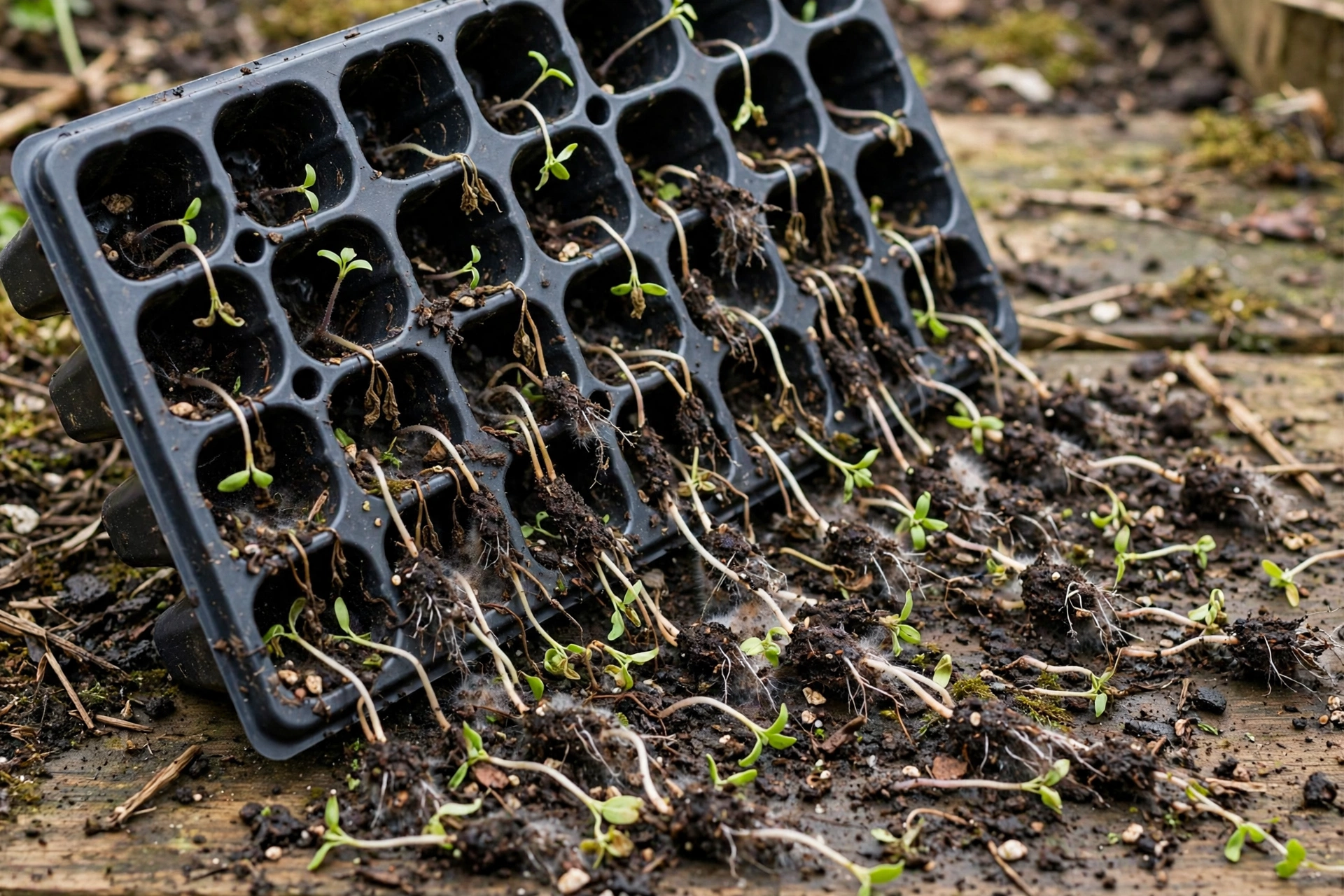
Damping off is one of the most heartbreaking problems for anyone who grows plants from seed. One day the seedlings look green and healthy. The next morning, several have fallen over at the soil line, as if someone had pinched their stems. The stems look thin, dark, and wet at the base, and the seedlings soon dry up and die. This is damping off, and it can wipe out a whole tray in a few days.
Damping off is caused by fungi that live in soil and attack young, soft stems. It spreads fast in damp, still air, and in soil that stays wet. The good news is that it is largely preventable. This guide explains what damping off is, why it happens, and a clear step-by-step plan to stop it, save the seedlings that are still healthy, and prevent it next time.
What Is Damping Off?
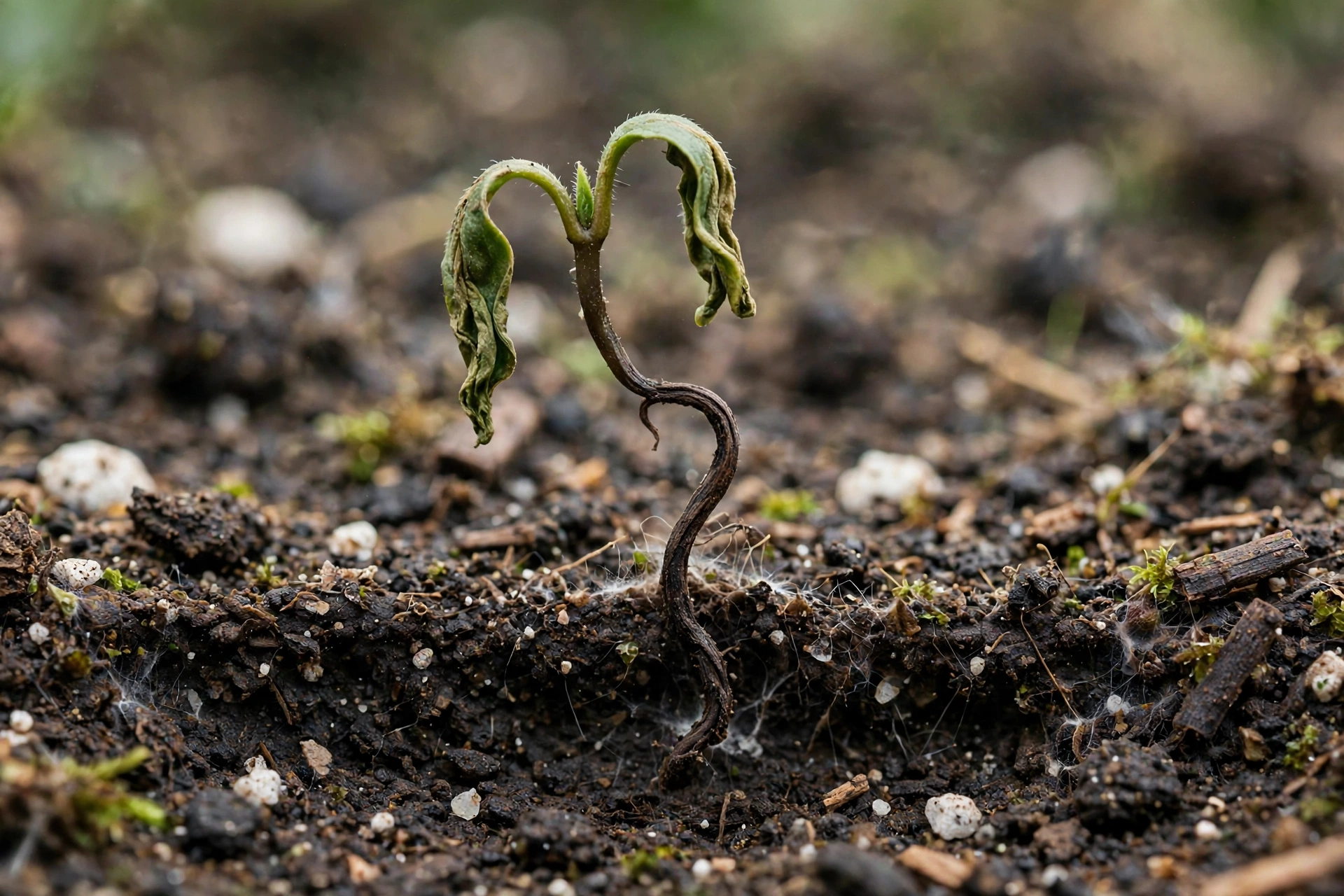
Damping off is a disease of young seedlings. Fungi in the soil attack the stem at or just below the soil surface. The stem becomes thin and weak at that point, like a pinched thread, and can no longer hold the seedling up. The seedling falls over and dies, often within a day.
Sometimes seeds rot before they even come up. This is also damping off, although you may not see it. If seeds fail to sprout, or sprouts appear and then fall over, damping off is a likely cause. It affects many kinds of seedlings, including vegetables, herbs, and flowers.
Do not confuse damping off with seedlings that are simply leggy. Leggy seedlings are tall and thin because they do not get enough light, but their stems are not pinched or dark at the base. Damping off always shows damage at the soil line: the stem is thin, dark, or wet there, and the seedling falls over at that exact point.
Why Seedlings Damp Off: The Main Causes
1. Soil That Stays Too Wet
Wet soil is the main cause. The fungi that cause damping off need moisture to grow and spread. When the soil surface stays wet day after day, the fungi attack the soft stems. Watering from above, watering too often, and trays with no drainage holes all keep the soil too wet.
2. Poor Air Flow
Still, damp air helps the fungi spread. Seedlings grown under a closed cover, in a crowded tray, or in a room with no air movement are at high risk. Air flow dries the soil surface and the stems, which makes it harder for fungi to grow.
3. Contaminated Soil or Containers
Soil from the garden, reused seed trays, and old pots can carry the fungi that cause damping off. Garden soil is full of microbes, which is good outdoors, but it is too risky for young seedlings indoors. Always start seeds in fresh seed-starting mix, and clean old trays and pots before you reuse them.
4. Sowing Too Thickly
When seeds are sown too close together, the seedlings crowd each other. Air cannot move between them, the soil surface stays damp, and the disease spreads from one seedling to the next in hours. Sow seeds with space between them, and thin out extra seedlings early.
5. Cold, Damp Conditions
Cold soil slows down seedling growth, while the fungi keep growing. The seedling stays soft and weak for longer, and the fungi have more time to attack. Seeds sown in cold, wet soil are at the highest risk. Give seeds the warmth they need, and do not sow too early in cold soil.
Step-by-Step: How to Stop Damping Off
If you see damping off, act at once. The disease spreads fast, but you can often save the seedlings that are still healthy.
- Remove the fallen seedlings. Pull out every seedling that has fallen over, and any that look pinched or dark at the base. Put them in the bin, not in the compost pile. Wash your hands after handling them.
- Stop watering from above. Let the soil surface dry out. Do not water again until the top of the mix feels dry to the touch. When you do water, water from below (see below) so the surface stays drier.
- Improve air flow at once. Remove any cover from the tray. Move the tray to a spot with gentle air movement, and space the seedlings further apart if you can. A small fan on a low setting, placed at a distance, can help dry the air around the seedlings.
- Move the tray to brighter light. Bright light helps seedlings grow stronger and dries the soil surface faster. Move the tray to a bright spot, but avoid harsh, direct sun on very young seedlings.
- Thin out crowded seedlings. If the tray is crowded, remove the weakest seedlings so the rest have air and light. Use clean scissors to cut the extra seedlings at the soil line instead of pulling them out, so you do not disturb the roots of the ones you keep.
- Water from below. Stand the tray in a shallow tray of water for 10 to 15 minutes, so the mix soaks up water from below. Then lift the tray out and let it drain fully. This keeps the soil surface drier and the stems less wet.
- Start a fresh batch if needed. If most of the tray has fallen over, it is often better to start again with fresh mix, clean trays, and new seed. Clean the old tray well before you reuse it, and follow the prevention steps below.

How to Prevent Damping Off Next Time
- Use fresh seed-starting mix. Do not use garden soil for seeds. Use a clean, light seed-starting mix, and open a fresh bag if the old one has been stored damp.
- Clean trays and pots. Wash old trays and pots with soap and water, and rinse them well before you reuse them. Let them dry in the sun if you can.
- Sow thinly. Space seeds out, and thin seedlings as soon as they have their first true leaves. Crowded seedlings are the first to damp off.
- Water carefully. Water from below when you can, and water in the morning so the surface dries during the day. Do not let trays sit in water.
- Give light and air. Remove covers as soon as seeds sprout. Give seedlings bright light and gentle air movement from the start, so stems grow thick and strong.
- Do not overfeed. Young seedlings do not need strong fertiliser. Too much feed makes soft, fast growth that the fungi can attack easily.
Wet soil causes other problems too. If older plants wilt even though the soil is wet, read the guide on why plants keep wilting even when the soil is wet, and learn the signs of root damage in the guide on what root rot is and how to rescue a plant.
Common Mistakes That Make Damping Off Worse
- Leaving fallen seedlings in the tray. A fallen seedling is a source of fungi. Remove it at once, or the disease will spread to its neighbours.
- Keeping the cover on too long. A cover keeps the air warm and damp, which is good for germination, but bad once seeds have sprouted. Remove the cover as soon as you see green shoots.
- Watering every day. Seedlings need less water than most people think. Check the soil before you water, and water only when the surface starts to dry.
- Reusing old soil. Old potting mix and garden soil can carry the fungi that cause damping off. Always start seeds in fresh mix.
- Sowing seeds too deep. Seeds sown too deep take longer to come up, and the young stems spend more time in damp soil. Sow at the depth given on the seed packet, or about twice the width of the seed.
- Waiting to act. Damping off spreads in hours, not days. Check seedlings every day, and remove affected plants as soon as you see them.
Frequently Asked Questions
Can a seedling with damping off recover?
Almost never. Once the stem is pinched thin at the soil line, it cannot take up water, and the seedling will die. The best step is to remove it quickly and protect the seedlings that are still healthy.
Is damping off caused by too much water?
Too much water is the main cause, but it is not the only one. The fungi need damp soil, still air, and soft young stems. Wet soil, crowded trays, and poor air flow together create the perfect conditions for damping off.
Can I reuse soil after damping off?
Do not reuse the mix for seedlings. The fungi are still in the soil, and they will attack the next batch. Throw the mix away, clean the tray well, and start again with fresh seed-starting mix.
Does cinnamon or other home treatments stop damping off?
Some growers dust the soil surface with cinnamon or use other home treatments, but the results are not reliable. The steps that work best are dry soil surfaces, good air flow, clean trays, fresh mix, and thin sowing. Focus on those first.
How do I know if my seedlings are too wet?
Touch the soil surface. If it feels wet and stays wet all day, it is too wet. The surface should dry out a little between waterings. If water sits in the tray under the pots, pour it away and let the tray drain.
Save This Guide for Later
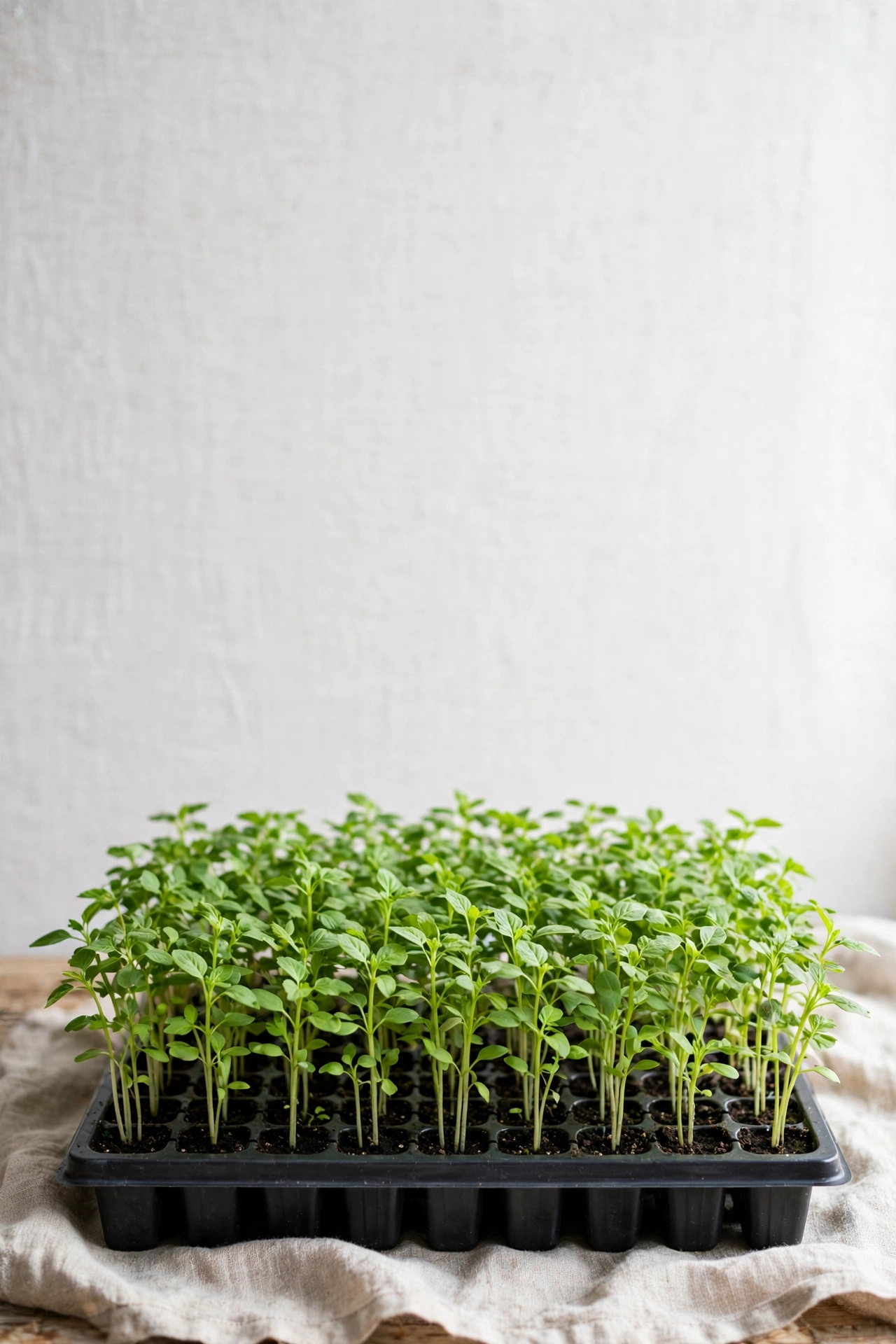
Damping off moves fast, but it is preventable. Use fresh mix, clean trays, thin sowing, bright light, and good air flow. Water from below, let the surface dry between waterings, and remove any fallen seedlings at once. With those habits, most of your seedlings will stay upright and healthy.