
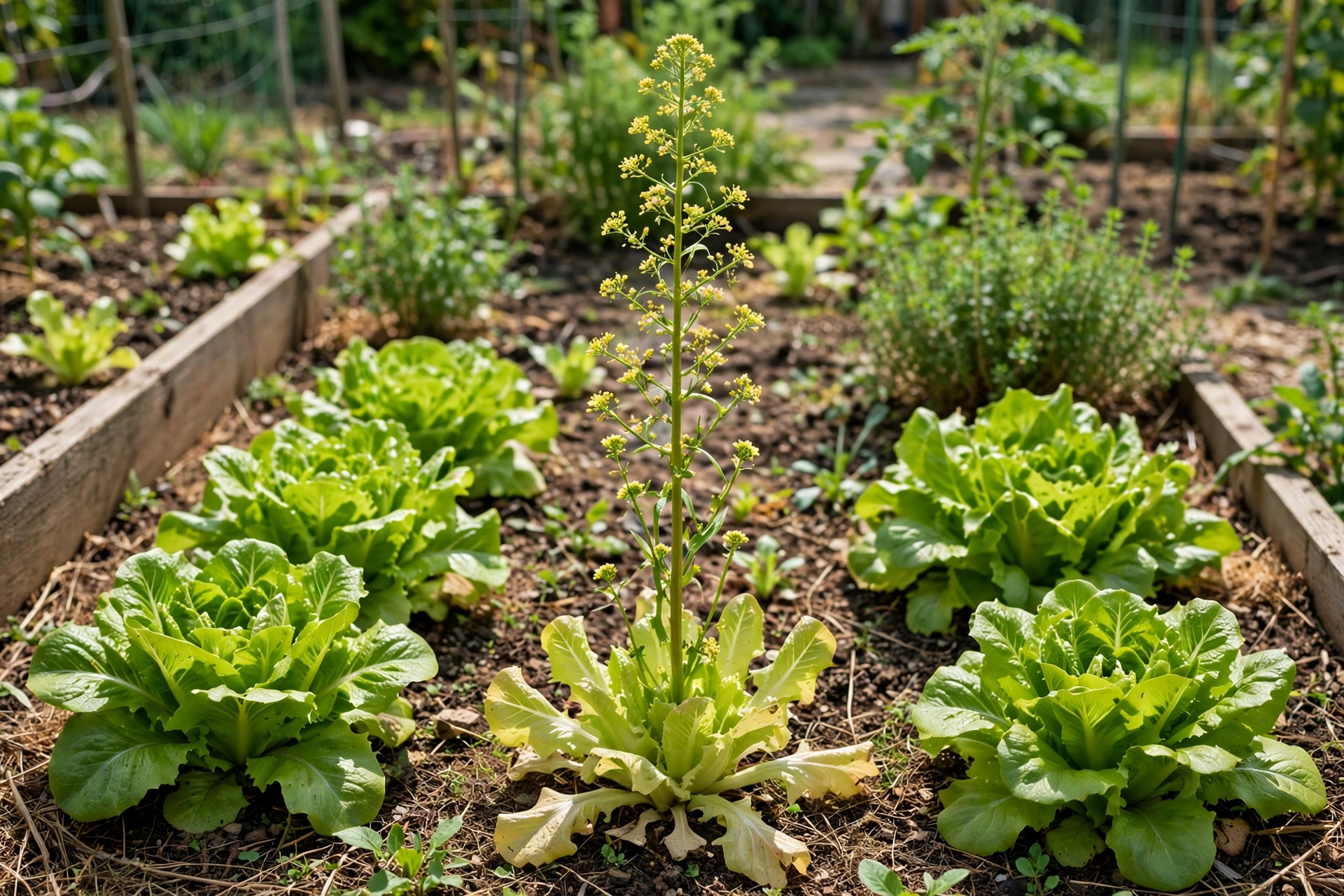
Fresh lettuce should be crisp, mild, and refreshing. So it is a real disappointment when the leaves turn tough and bitter, and a tall stalk shoots up from the centre of the plant. This is lettuce bolting, and once it starts, the flavour changes fast. The good news is that bolting is not a mystery, and it is not a sign that you are a bad gardener. It is a normal plant response to heat, long days, and stress. Once you understand what triggers it, you can slow it down, harvest earlier, and choose better timing and varieties for your next sowing. This guide explains why lettuce bolts and tastes bitter, and gives a clear, step-by-step plan to prevent it.
What Is Lettuce Bolting?
Bolting means the lettuce plant switches from growing leaves to growing flowers and seeds. The centre stem grows tall, often in only a few days. The leaves become smaller, narrower, and tougher. The plant puts its energy into the flower stalk, and the leaves start to produce more bitter compounds. That bitterness is the plant’s way of protecting itself while it tries to make seed. A bolted plant is still edible in many cases, but the taste and texture are much poorer than sweet, young leaves.
Bolting is different from normal growth. A healthy lettuce plant forms a loose head or a rosette of soft leaves close to the ground. A bolting plant looks stretched, with a clear stem and leaves spaced further apart. Once the flower buds open, the leaves are usually too bitter for most people. The aim is not to stop bolting forever, because every lettuce plant will bolt in time. The aim is to delay it long enough to harvest plenty of sweet leaves first.
Why Lettuce Bolts and Tastes Bitter
1. Heat Is the Main Trigger
Lettuce is a cool-season crop. It grows best when the air is cool and the soil stays moist. When temperatures rise, especially above about 24 to 27 degrees Celsius, the plant senses that summer is coming and rushes to make seed before the heat becomes too strong. Warm nights are just as important as warm days. If the soil warms up, the roots also feel the stress, and bolting can start even if the leaves look green and healthy in the morning.
2. Long Days Signal Flowering
Many lettuce types respond to day length. As days get longer, the plant receives a signal to flower. This is why lettuce sown in the cool part of the year often grows well, while the same variety sown as days lengthen and warm up bolts quickly. You cannot change day length, but you can choose sowing times that give the plant most of its growth while days are still shorter and cooler.
3. Dry Soil and Uneven Watering
Lettuce has shallow roots and needs steady moisture. If the soil dries out, then is soaked, then dries again, the plant is stressed. Dry soil also warms up faster, which adds to the heat problem. Plants that are short of water often bolt earlier and taste more bitter. A similar problem can affect other leafy crops when watering is uneven, as explained in the guide to why cucumber leaves turn yellow, where water stress is one of the main causes of poor growth.
4. Crowding and Poor Soil
Seedlings planted too close together compete for water, light, and nutrients. The weaker plants stay small, and the stressed plants bolt early. Poor, dry, or compacted soil has the same effect. Lettuce needs soil that holds moisture but drains well, with enough compost to feed steady leaf growth. Without that, the plant grows slowly, then suddenly stretches up when conditions change.
5. The Wrong Variety for the Season
Some lettuce varieties bolt much faster than others. Loose-leaf types often bolt sooner than some romaine or butterhead types, and older, open-pollinated varieties may be less heat-tolerant than newer heat-resistant ones. A variety that grows well in cool weather may fail in warm weather. Choosing a variety described as slow to bolt or heat-tolerant makes a real difference, especially if your growing space warms up quickly.
6. Transplant Shock and Root Damage
Lettuce does not like its roots disturbed. Seedlings left too long in small pots, or transplanted roughly, can be stressed enough to bolt early. Direct sowing, or transplanting young seedlings carefully with the root ball intact, helps the plant settle quickly and keep growing leaves instead of switching to flowering.
How to Prevent Lettuce Bolting: A Step-by-Step Fix
Use these steps together. No single step will stop bolting on its own, but combined they can add days or weeks of sweet harvest.
Step 1: Sow at the right time. Sow lettuce when the weather is cool, and sow little and often, every two to three weeks, instead of one large sowing. That way, if one sowing bolts, the next one is ready. In warm weather, sow in the cooler part of the day and keep the seed bed moist until germination.
Step 2: Choose a slow-bolting variety. Look for seed packets that say slow to bolt, heat-tolerant, or suitable for warm weather. Try two or three varieties and note which one lasts longest in your garden. Keep a simple note of the sowing date and the bolting date for each type.
Step 3: Give plants space. Thin seedlings to the spacing on the seed packet, usually about 20 to 30 centimetres apart for full heads, and a little closer for loose-leaf types harvested young. Thinning feels wasteful at first, but crowded plants bolt sooner and give less food in total.
Step 4: Keep the soil cool and moist. Water deeply in the morning so the soil is moist before the hottest part of the day. Add a layer of mulch, such as straw or shredded leaves, around the plants. Mulch keeps the soil cooler, slows drying, and reduces the need for frequent watering.

Step 5: Provide light shade in hot weather. A light shade cloth, a piece of garden fleece, or a taller crop planted nearby can cut the strongest sun. Aim for shade during the hottest part of the day, not all day, because lettuce still needs light to grow. Move pots into a spot that gets morning sun and afternoon shade if you grow in containers.
Step 6: Feed lightly and evenly. Mix compost into the soil before sowing, and feed young plants with a balanced liquid feed only if growth is slow. Too much strong fertiliser, especially high-nitrogen feed late in growth, can push soft growth that bolts quickly. Steady, moderate feeding is better than a sudden boost.
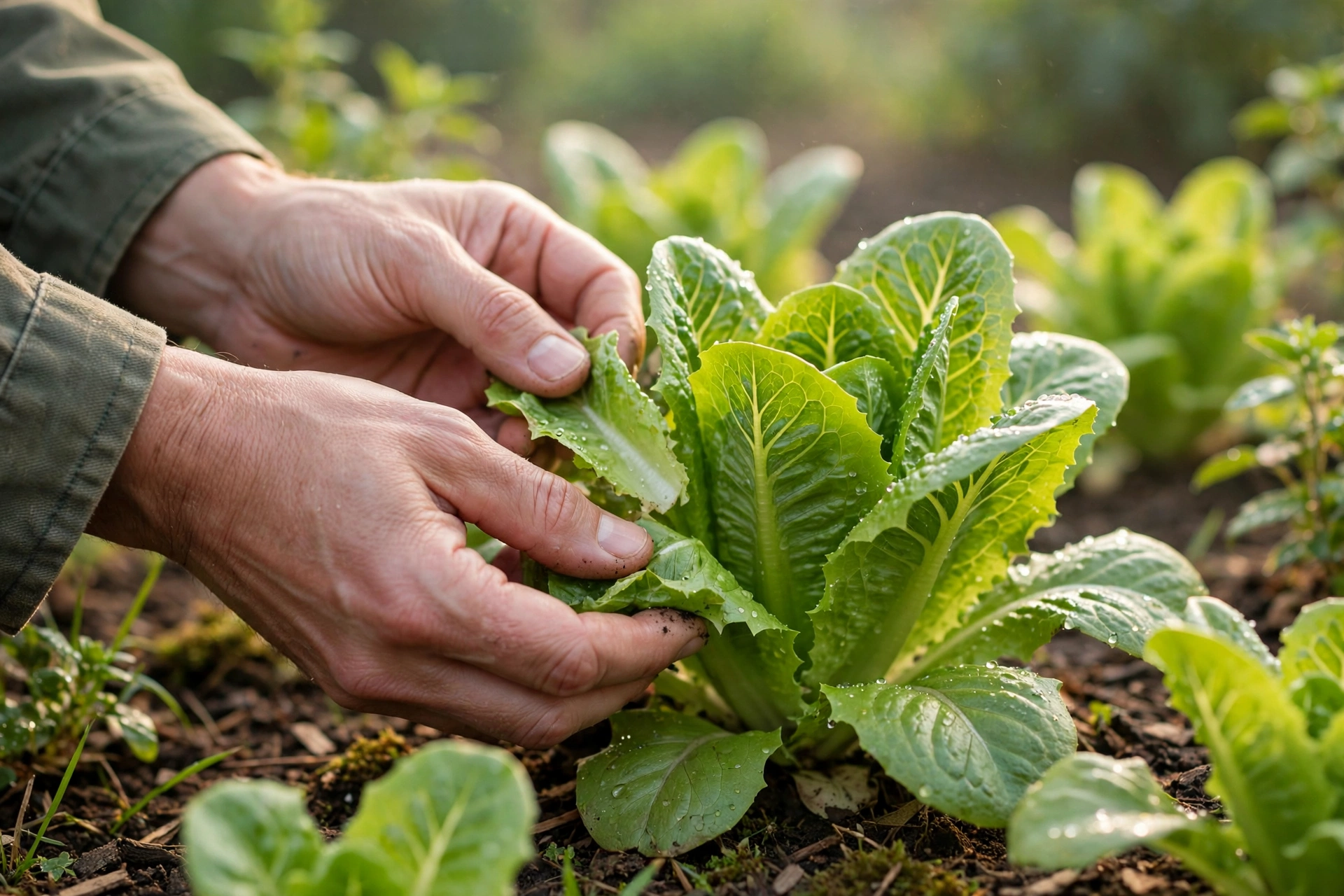
Step 7: Harvest early and often. Start picking outer leaves as soon as they are large enough to eat. This is called cut-and-come-again harvesting. Regular picking keeps the plant in leaf-growing mode and gives you food before bitterness develops. Do not wait for a perfect full head if the weather is turning warm.
What to Do With Lettuce That Has Already Bolted
If the stalk has just started to rise, harvest the whole plant at once and taste a leaf. Young bolted leaves may still be usable in cooked dishes, where heat softens the bitterness, or mixed in small amounts with sweeter salad leaves. Older, very bitter leaves are best added to the compost. Do not try to cut the stalk off and expect sweet leaves to return, because the plant has already changed its growth plan. It is better to clear the bed, add compost, and sow a fresh batch.
If you want seed, you can leave one healthy plant to flower and set seed, and harvest seed when it is dry. Keep this plant separate from the ones you eat, because its leaves will not be pleasant. For most beginners, it is simpler to remove bolted plants and start again.
Common Mistakes That Make Lettuce Bolt Faster
- Sowing one large batch in warm weather. A single sowing bolts all at once, leaving a gap with no lettuce.
- Watering lightly every day. Light watering wets only the surface and leaves roots dry. Water deeply and less often.
- Leaving seedlings crowded. Unthinned seedlings compete, stay weak, and bolt early.
- Using dark containers in full sun. Dark pots heat the soil fast. Use light-coloured pots or shade the pot itself.
- Waiting too long to harvest. Leaves left to grow large in heat become bitter. Pick young leaves regularly.
- Feeding too late or too strongly. A sudden feed can push weak growth that is more likely to bolt.
The same idea of checking the real cause before changing everything applies to other vegetables too. For example, pepper plants dropping flowers are often reacting to heat and stress, not to a lack of flowers, just as lettuce bolts when conditions become stressful.
Frequently Asked Questions
Can you eat lettuce after it bolts?
Yes, if the leaves are only mildly bitter, you can eat them. Taste a small piece first. Mildly bitter leaves work better in cooked dishes or mixed with other salad leaves. Very bitter, tough leaves are best composted.
How do I make bolted lettuce less bitter?
Soak the leaves in cold water for 20 to 30 minutes, then dry them well. Cooking also softens bitterness. A dressing with a little sweetness or acidity can help, but it will not turn very bitter leaves sweet again.
Will cutting off the flower stalk stop bolting?
No, not for long. Cutting the stalk may slow the plant for a few days, but the plant has already switched to flowering. The leaves will usually stay bitter. Harvesting and re-sowing is a better use of time and space.
Does lettuce bolt in containers too?
Yes, and often faster, because pots warm up and dry out more quickly than garden beds. Use a large pot, light-coloured if possible, water deeply, mulch the surface, and move the pot to afternoon shade in hot weather.
What is the best way to keep lettuce sweet?
Sow in cool weather, choose a slow-bolting variety, keep the soil cool and moist, give plants space, add light shade in heat, and harvest outer leaves early and often. Sow little and often so you always have young plants coming on.
Save This Guide for Later

Lettuce bolting is a normal response to heat, long days, dry soil, and stress. You cannot stop it forever, but you can delay it. Sow at the right time, choose a slow-bolting variety, keep the soil cool and moist, add light shade, and harvest early. With those steps, you will get more sweet, crisp leaves from every sowing.